


Summary
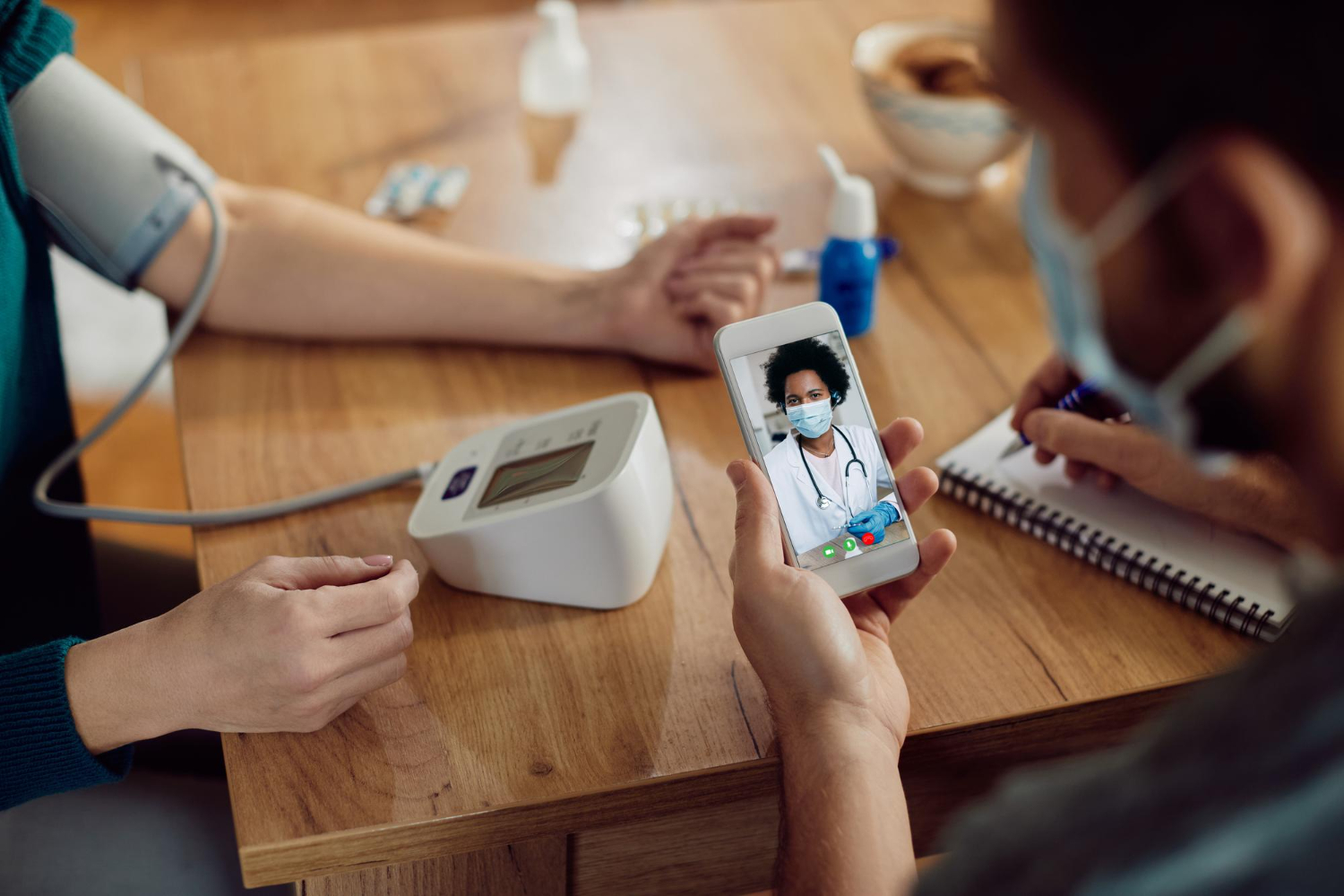
Telehealth has moved from a pandemic-era stopgap to a permanent and rapidly expanding part of how older adults access medical care.
For geriatric patients specifically, the benefits of telehealth apps go well beyond simple convenience.
They address some of the most persistent barriers that have historically kept seniors from getting the care they need.
This blog covers the specific, evidence-backed benefits of telehealth apps for geriatric patients in 2026, the practical challenges that remain, and an important and often overlooked factor: how vision loss can affect a senior’s ability to use telehealth effectively, and what tools like Vision Buddy can do to close that gap.
Why Geriatric Care Has a Unique Access Problem
Older adults face a distinct combination of healthcare access challenges that younger populations typically do not.
Mobility limitations make travel to appointments physically difficult or exhausting.
Many seniors no longer drive, and arranging transportation, whether through family, paid services, or public transit, adds friction and cost to every single appointment.
Specialist shortages compound this problem significantly.
The United States population is aging rapidly, with seniors making up an increasing share of the population, yet there are fewer than 7,000 certified geriatricians nationwide to serve this growing demographic, creating long wait times and difficulty securing timely in-person appointments.
Chronic disease management, the bread and butter of geriatric care, requires frequent touchpoints with healthcare providers, for medication adjustments, monitoring, and follow-up, that can become genuinely burdensome when each one requires a full in-person visit.
This is precisely the set of problems that telehealth apps for geriatric patients are designed to solve.
Benefit 1: Eliminating Transportation and Mobility Barriers
This is consistently identified as one of the most significant benefits telehealth provides for older adults.
Telehealth removes barriers related to transportation costs and access to specialists who might be located in another state or city entirely, allowing seniors to receive necessary specialist care without the logistical burden of travel.
For seniors with mobility limitations, chronic pain, or conditions that make travel physically taxing, this benefit alone can be the difference between receiving regular care and missing or delaying appointments.
Recent federal legislation has extended seniors’ ability to access telehealth services from their own homes through at least the end of 2027, recognizing how valuable this has become particularly for retirees with mobility limitations, chronic pain, and visual impairments.
Benefit 2: Faster Access to Specialists
Telehealth has measurably reduced wait times for specialist evaluations, allowing seniors to receive quicker assessments and follow-ups without the long delays that have historically characterized access to high-demand specialists like geriatricians, cardiologists, and neurologists.
Virtual visits make it significantly easier to consult specialists such as geriatricians, neurologists, cardiologists, and endocrinologists without the burden of long travel times or extended wait periods, and interdisciplinary telehealth models can support quick referrals and coordinated follow-up between different specialists managing a single patient’s care.
For seniors managing multiple chronic conditions, often under the care of several different specialists simultaneously, this improved coordination and access can meaningfully improve the consistency and quality of care they receive.
Benefit 3: Better Chronic Disease Management
Geriatric patients frequently manage multiple chronic conditions including diabetes, hypertension, heart disease, and arthritis, each requiring ongoing monitoring and periodic adjustment of treatment.
Remote patient monitoring devices synced with telehealth platforms enable real-time tracking of vital signs, medication adherence, and symptoms, allowing healthcare professionals to make timely treatment adjustments without waiting for the next scheduled in-person visit.
This continuous, data-informed approach to chronic disease management represents a meaningful improvement over the traditional model of periodic in-person checkups, where problems may go undetected for weeks or months between visits.
For conditions like diabetes, where consistent monitoring directly affects long-term outcomes including the risk of diabetic retinopathy and other complications, this benefit has real clinical significance.
Benefit 4: Improved Mental Health Access
Mental health teletherapy, cognitive assessments, and support for conditions like depression and dementia have expanded significantly through telehealth, providing vital psychological care for seniors who might otherwise go without it.
Older adults dealing with depression, anxiety, grief, caregiver burnout, or social isolation often find virtual mental health appointments easier and less intimidating than traveling to an unfamiliar mental health clinic, and recent federal rule changes have removed certain in-person requirements that previously created additional barriers to remote counseling and psychiatric care.
Given that depression and anxiety are significantly underdiagnosed and undertreated in the geriatric population, partly due to access barriers and partly due to stigma around seeking mental health care, the expanded access that telehealth provides has meaningful public health significance for this demographic.
Benefit 5: Reduced Costs for Patients and Families
Healthcare costs for geriatric patients extend well beyond consultation fees to include prescription medications and the significant transportation expenses associated with regular medical visits, costs that many households, particularly those caring for aging family members at home, struggle to absorb consistently.
As of 2026, government and private insurers increasingly recognize the value telehealth provides and have extended coverage while reducing out-of-pocket costs specifically to encourage broader telehealth adoption among seniors, reflecting growing payer confidence in the cost-effectiveness of this care model.
Beyond direct healthcare costs, telehealth reduces the indirect costs borne by family caregivers, including time off work, fuel and parking expenses, and the logistical burden of arranging and accompanying a senior family member to multiple appointments each month.
Benefit 6: Caregiver Involvement and Peace of Mind
For family caregivers, telehealth services have been described as providing ‘another set of eyes’ on aging loved ones, reducing the stress and anxiety associated with not knowing whether a parent or family member is receiving adequate care, while also alleviating the practical stress and cost of arranging travel to appointments.
These services have also been shown to improve caregivers’ understanding of how an illness is progressing and provide guidance to increase patient functioning and reduce disruptive behaviors associated with conditions like dementia, ultimately easing caregiver anxiety about whether their loved one is getting the support they need.
Telehealth visits also make it practical for caregivers, who may live in a different city or have demanding work schedules, to participate directly in medical appointments via video, ensuring continuity of information and shared decision-making that can be difficult to achieve with traditional in-person visits.
Benefit 7: Reduced Exposure to Illness
For older adults, who are generally more vulnerable to complications from common infectious illnesses, reducing unnecessary exposure to crowded waiting rooms and clinical environments has genuine protective value.
Telehealth allows routine follow-ups, medication management conversations, and many non-urgent consultations to happen without the senior leaving home at all, which carries particular benefit during cold and flu season or for immunocompromised patients.
The Barriers That Still Need to Be Addressed
Telehealth for geriatric patients is not without real challenges, and acknowledging them is part of giving an honest picture of the technology’s role in senior care.
Provider feedback consistently raises concerns about the alignment between telehealth modalities and the capabilities of older patients who may have cognitive impairment, hearing loss, or limited technological experience, all of which can complicate the effectiveness of a virtual visit.
Technology access and digital literacy remain genuine barriers for a meaningful subset of the senior population.
A smartphone, tablet, or computer with a camera and microphone, along with reliable internet connectivity, are generally the basic requirements for telehealth participation, and not every senior has consistent access to all of these.
Vision and hearing impairments, both common in the geriatric population, can directly limit a senior’s ability to engage effectively with a video-based telehealth visit, an issue that deserves more specific attention than it typically receives in general discussions of telehealth access.
How Vision Loss Complicates Telehealth for Seniors
This is a critical and frequently overlooked piece of the telehealth access puzzle.
Telehealth visits are inherently visual experiences, relying on a screen to display the provider’s video feed, on-screen forms, patient portals, and visual health information.
For a senior managing significant low vision from conditions like macular degeneration, glaucoma, or diabetic retinopathy, this creates a genuine and underappreciated barrier.
A senior who cannot clearly see their device screen may struggle to navigate to a telehealth appointment link, read instructions from their care team, see medication information shared during a visit, or even clearly see their provider’s face during the consultation, undermining some of the connection and communication value that video visits are meant to provide over phone calls.
This means that for the substantial portion of the geriatric population managing low vision, which represents a significant and growing segment given the prevalence of age-related eye conditions, telehealth access and visual accessibility need to be addressed together rather than as separate issues.
Making Telehealth Accessible with Low Vision Aids
Vision Buddy’s Computer Link feature is directly relevant to this challenge.
By connecting the Vision Buddy headset to a computer or tablet, users can view their screen content, including telehealth video calls, patient portals, and on-screen health information, in magnified, contrast-enhanced form delivered directly to their eyes.
For a senior with macular degeneration trying to participate in a video visit with their geriatrician, this means being able to actually see their provider’s face clearly, read any on-screen information shared during the visit, and navigate the telehealth platform’s interface without the frustration and disconnection that comes from straining to see a screen that vision loss has made difficult to use.
This intersection between telehealth and low vision is particularly relevant for Vision Buddy’s core user base, since many of the conditions Vision Buddy is designed for, macular degeneration, glaucoma, diabetic retinopathy, are themselves managed in part through the kind of regular specialist follow-up that telehealth increasingly provides.
A device that supports both visual independence in daily life and the ability to fully participate in virtual healthcare visits addresses two connected needs within the same population.
Final Thoughts
The benefits of telehealth apps for geriatric patients are well-documented and continue to expand as technology, insurance coverage, and regulatory support mature in 2026.
From eliminating transportation barriers and improving specialist access to supporting better chronic disease management and expanding mental health care, telehealth has become a genuinely valuable part of comprehensive senior care.
But the full promise of telehealth for older adults depends on addressing the barriers that prevent some seniors from using it effectively, and vision loss is one of the most significant and least discussed of these barriers.
For seniors managing low vision conditions, pairing telehealth access with appropriate visual assistive technology like Vision Buddy ensures that the benefits of virtual care reach the people who often need it most.


