
Are Stargardt Disease and Macular Degeneration the same?
Stargardt Disease, an inherited eye disease, is a form of retinal dystrophy that primarily affects the macula—the central region of the retina responsible for sharp vision.
Unlike age-related macular degeneration, which typically occurs later in life, Stargardt Disease often begins in childhood or adolescence due to mutations in the ABCA4 gene.
This condition leads to progressive vision loss, starting with central vision impairment, blind spots, and visual distortion. Over time, lipofuscin deposits accumulate in the retinal pigment epithelium (RPE), damaging both cone and rod photoreceptors.
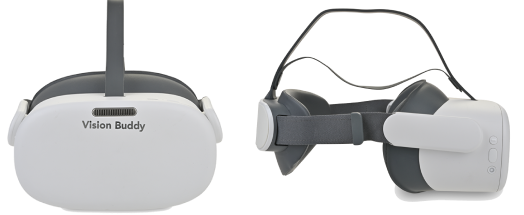
While there is no cure yet, advancements in vision aids like Vision Buddy glasses for Stargardt Disease offer new hope for effectively managing this condition.
What is Stargardt Disease?
Stargardt Disease is often referred to as juvenile macular degeneration due to its early onset. It affects the macula, leading to a gradual decline in central vision due to damage to cone photoreceptors, essential for color and detailed vision.
Key features of Stargardt Disease include:
- Genetic origin: Caused by mutations in the ABCA4 gene.
- Progressive vision loss: Worsens over time.
Yellow deposits (lipofuscin): Accumulation in the RPE, disrupting normal function.
Symptoms of Stargardt Disease
- Central vision loss: Difficulty with reading, recognizing faces, and detailed tasks.
- Blind spots (central scotoma): Gaps in the visual field.
- Visual distortion: Straight lines may appear wavy.
- Color vision deficiency: Reduced ability to perceive colors.
- Night blindness: Trouble seeing in low-light conditions.
How Stargardt Disease Affects Vision
Stargardt Disease, an inherited retinal dystrophy, results in a loss of visual acuity, making detailed tasks like reading or sewing difficult. Patients often develop blind spots in their central vision, complicating navigation and daily life activities.
Additionally, damage to cone photoreceptors impairs color vision, further affecting the quality of life.
Advanced imaging techniques like Optical Coherence Tomography (OCT) and fundus photography are crucial for identifying macular damage and tracking the disease’s progression. Here are some key points to understand:
- Visual Acuity Loss: Makes detailed tasks challenging.
- Blind Spots: Affect navigation and daily life.
- Color Vision Impairment: Due to cone photoreceptor damage.
- Advanced Imaging: OCT and fundus photography help identify and track macular damage.
How Vision Buddy Helps in Treatment of Stargardt Disease
Vision Buddy glasses offer a transformative solution for patients with Stargardt Disease:
- Enhanced magnification: Makes text and visuals larger and clearer.
- Improved contrast sensitivity: Ideal for identifying objects and navigating.
- Accessibility features: Tailored for low vision conditions like central scotoma.
- Magnification and OCR: All headsets come with powerful magnification and Optical Character Recognition (OCR).
- Ultra-Simple Plug and Play System: There’s no need for complicated setups or WiFi. Just plug in and start using it right away.
- Compatibility with Any TV Setup: Whether you use cable, satellite, Roku, or Apple TV, Vision Buddy works with any setup.
Patients report significant improvements in tasks like:
- Reading books and small print.
- Watching television and identifying faces.
- Navigating safely in both familiar and unfamiliar environments.
Product Highlights: Vision Buddy Glasses
Specifically engineered glasses for Stargardt Disease.
Key features include:
- High-resolution display for sharp visuals.
- Customizable settings for individual preferences.
- Wide compatibility with different activities.
- Optimized External Battery 6 Hours
- Zoom Levels 10x
- Field of View 98 Degrees
- Magnification 16 Megapixel Sony Camera, Auto Focused
- Weight: On Face (1.1 lb) similar to a large apple.
Why Choose Vision Buddy?
- Technology-driven solution for enhancing visual clarity.
- Designed with the needs of Stargardt Disease patients in mind.
- Backed by testimonials from users who’ve experienced life-changing improvements.
- Start your journey with just $100.
- Enjoy a risk-free trial to see how Vision Buddy works for you.
- Easy Return Process if needed.
Try Vision Buddy Today
- Don’t let Stargardt Disease limit your world. Explore the possibilities with Vision Buddy:
- Free demos to test before you buy.
- Money-back guarantee for peace of mind.
- Easy purchase options online or through authorized retailers.
If your refund is still missing after 10 days, contact us at hello@visionbuddy.com
Fill Out the Form Below
Are Stargardt Disease and Macular Degeneration the same?
Stargardt Disease, an inherited eye disease, is a form of retinal dystrophy that primarily affects the macula—the central region of the retina responsible for sharp vision.

Unlike age-related macular degeneration, which typically occurs later in life, Stargardt Disease often begins in childhood or adolescence due to mutations in the ABCA4 gene.
This condition leads to progressive vision loss, starting with central vision impairment, blind spots, and visual distortion. Over time, lipofuscin deposits accumulate in the retinal pigment epithelium (RPE), damaging both cone and rod photoreceptors.
While there is no cure yet, advancements in vision aids like Vision Buddy glasses for Stargardt Disease offer new hope for effectively managing this condition.
Daily Struggles with Low Vision
This genetic disorder targets the cone dystrophy retina, leading to multiple visual challenges that impact daily life profoundly:
-
Reading Difficulties:
One of the primary cone rod dystrophy symptoms is blurry vision, making it hard to read books, labels, or even digital screens. This challenge often necessitates the use of low vision aids for cone rod dystrophy. -
Recognizing Faces:
As the cone rod dystrophy vision deteriorates, identifying loved ones' faces becomes a strenuous task, adding a layer of emotional strain. -
Navigating Spaces:
Poor night vision and difficulty distinguishing colors transform navigating familiar areas into a complex task, heightening the risk of accidents.
What is Stargardt Disease?
Stargardt Disease is often referred to as juvenile macular degeneration due to its early onset. It affects the macula, leading to a gradual decline in central vision due to damage to cone photoreceptors, essential for color and detailed vision.

Key features of Stargardt Disease include:
-
Genetic Origin
Caused by mutations in the ABCA4 gene. -
Progressive Vision Loss
Worsens over time. -
Yellow deposits (lipofuscin)
Accumulation in the RPE, disrupting normal function.
Symptoms of
Stargardt Disease
Early diagnosis is crucial as it opens doors to proactive care and effective solutions, helping slow progression and adapting to vision changes more smoothly.
- Central vision loss Difficulty with reading, recognizing faces, and detailed tasks.
- Blind spots (central scotoma) Gaps in the visual field.
- Visual distortion Straight lines may appear wavy.
- Color vision deficiency Reduced ability to perceive colors.
- Night blindness Trouble seeing in low-light conditions.
How Stargardt Disease
Affects Vision
Stargardt Disease, an inherited retinal dystrophy, results in a loss of visual acuity, making detailed tasks like reading or sewing difficult. Patients often develop blind spots in their central vision, complicating navigation and daily life activities.
Additionally, damage to cone photoreceptors impairs color vision, further affecting the quality of life.
Advanced imaging techniques like Optical Coherence Tomography (OCT) and fundus photography are crucial for identifying macular damage and tracking the disease’s progression. Here are some key points to understand:

- Visual Acuity Loss Makes detailed tasks challenging.
- Blind Spots Affect navigation and daily life.
- Color Vision Impairment Due to cone photoreceptor damage.
- Advanced Imaging OCT and fundus photography help identify and track macular damage.
Daily Struggles with Low Vision
This genetic disorder targets the cone dystrophy retina, leading to multiple visual challenges that impact daily life profoundly:
-
Reading Difficulties:
One of the primary cone rod dystrophy symptoms is blurry vision, making it hard to read books, labels, or even digital screens. This challenge often necessitates the use of low vision aids for cone rod dystrophy. -
Recognizing Faces:
As the cone rod dystrophy vision deteriorates, identifying loved ones' faces becomes a strenuous task, adding a layer of emotional strain. -
Navigating Spaces:
Poor night vision and difficulty distinguishing colors transform navigating familiar areas into a complex task, heightening the risk of accidents.
How Vision Buddy Helps in Treatment of Stargardt Disease

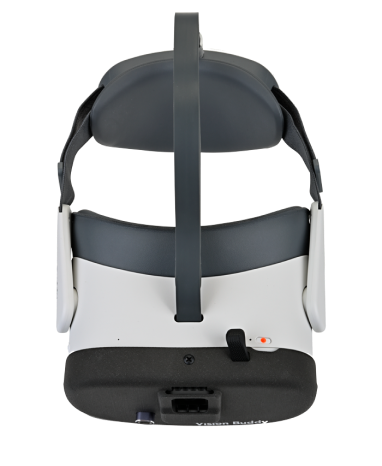

Vision Buddy glasses offer a transformative solution for patients with Stargardt Disease:
- Enhanced magnification Makes text and visuals larger and clearer.
- Improved contrast sensitivity Ideal for identifying objects and navigating.
- Accessibility features Tailored for low vision conditions like central scotoma.
- Magnification and OCR All headsets come with powerful magnification and Optical Character Recognition (OCR).
- Ultra-Simple Plug and Play System There's no need for complicated setups or WiFi. Just plug in and start using it right away.
- Compatibility with Any TV Setup Whether you use cable, satellite, Roku, or Apple TV, Vision Buddy works with any setup.
Patients report significant improvements in tasks like:
- Reading books and small print.
- Watching television and identifying faces.
- Navigating safely in both familiar and unfamiliar environments.
Product Highlights: Vision Buddy Glasses
Specifically engineered glasses for Stargardt Disease.
- High-resolution display for sharp visuals.
- Customizable settings for individual preferences.
- Wide compatibility with different activities.
- Optimized External Battery 6 Hours
- Zoom Levels 10x
- Field of View 98 Degrees
- Magnification 16 Megapixel Sony Camera, Auto Focused
- Weight On Face (1.1 lb) similar to a large apple.


Let's Hear It from the
Visionaries Themselves
Try Vision Buddy Today
Don’t let Stargardt Disease limit your world. Explore the possibilities with Vision Buddy
- Free demos to test before you buy.
- Money-back guarantee for peace of mind.
- Easy purchase options online or through authorized retailers.