

Summary
Low vision in seniors often develops gradually, making it easy to overlook early warning signs.
Many older adults assume vision changes are simply a normal part of aging, delaying diagnosis and treatment. However, early detection of low vision can significantly improve outcomes, preserve independence, and enhance quality of life.
This guide explores the early signs of low vision in seniors, explains how families can identify them at home, and highlights practical steps to manage vision changes effectively.
Understanding these signs empowers seniors and caregivers to act before vision loss begins to interfere with daily life, including exploring assistive solutions for low vision when needed.
Understanding Low Vision in Seniors
Low vision is not the same as total blindness. It refers to significant visual impairment that cannot be fully corrected with standard glasses, contact lenses, medication, or surgery.
Seniors with low vision often retain some usable sight but struggle with everyday tasks such as reading, recognizing faces, watching television, or navigating unfamiliar environments.
Low vision in seniors is becoming increasingly common as populations age.
Conditions such as macular degeneration, glaucoma, diabetic retinopathy, and cataracts account for most cases. Because these conditions often progress slowly, early signs may appear subtle and easy to dismiss.
Why Early Detection of Low Vision Matters
Detecting low vision early provides several critical benefits.
First, it allows eye care professionals to identify underlying conditions while treatment options are still effective. Second, early diagnosis enables seniors to adapt gradually rather than facing sudden loss of independence.
When low vision goes unnoticed, seniors may experience:
- Increased risk of falls and injuries
- Difficulty managing medications
- Social withdrawal and depression
- Loss of confidence and independence
Early detection also allows families to introduce visual aids for seniors with low vision before independence is significantly affected.
Common Causes of Low Vision in Older Adults
Understanding what causes low vision helps explain why symptoms vary from person to person. The most common causes include:
Macular degeneration affects central vision, making reading and facial recognition difficult.
Glaucoma damages peripheral vision, often without noticeable symptoms in early stages.
Diabetic retinopathy causes fluctuating or patchy vision due to retinal blood vessel damage.
Cataracts cloud the lens, leading to blurred and faded vision.
These conditions may exist alone or together, which can accelerate vision decline if left untreated.
Early Visual Changes Seniors Often Ignore
Many seniors dismiss early signs of low vision as minor inconveniences. These changes may include needing brighter light to read, experiencing mild blur, or having trouble adjusting between light and dark environments.
Common early complaints include:
- Difficulty reading small print even with glasses
- Increased glare sensitivity, especially while driving
- Trouble distinguishing similar colors
- Feeling that vision is dimmer than before
Because these changes develop slowly, seniors may adapt unconsciously rather than recognizing them as warning signs.
Physical and Behavioral Signs of Low Vision
Low vision in seniors is not always expressed verbally. Often, changes in behavior reveal underlying vision problems.
Physical signs may include squinting, frequent blinking, or holding objects unusually close or far away. Seniors may rub their eyes often or complain of headaches after visual tasks.
Behavioral signs are equally important.
These may include avoiding reading, watching television less frequently, or withdrawing from hobbies that once brought joy. Seniors may also become hesitant to leave the house or navigate stairs and unfamiliar areas.
How Low Vision Affects Daily Life at Home
As low vision progresses, everyday activities become more challenging. Seniors may struggle to read medication labels, operate household appliances, or identify food items.
Simple tasks such as setting the thermostat or using a remote control may become frustrating.
Vision loss can also impact safety. Missed steps, spilled liquids, and misjudged distances increase the risk of falls.
Many seniors with undiagnosed low vision limit their activity to avoid embarrassment or injury, leading to reduced mobility and social isolation.
Simple At Home Tests to Detect Low Vision
While professional eye exams are essential, families can perform basic observations and informal tests at home to identify early signs of low vision.
One simple method is to observe reading behavior.
If a senior consistently moves closer to text, skips lines, or uses excessive lighting, it may indicate visual decline.
Another approach is contrast testing. Ask the individual to identify objects of similar colors, such as light gray on white. Difficulty distinguishing these may signal contrast sensitivity loss.
Distance viewing tests are also helpful. Ask the senior to recognize faces or read subtitles from across the room. Struggling with these tasks may suggest low vision that requires evaluation.
When Low Vision Signals a Serious Eye Condition
Certain signs require immediate attention.
Sudden vision loss, distorted lines, dark spots in central vision, or rapid changes in peripheral awareness should never be ignored.
These symptoms may indicate advanced eye disease requiring urgent care.
Low vision that interferes with balance, coordination, or spatial awareness increases fall risk and should prompt evaluation. Early intervention can slow progression and preserve remaining vision.
How Family Members Can Spot Warning Signs
Family members often notice changes before seniors do. Loved ones should watch for repeated mistakes, such as pouring liquids inaccurately, misreading labels, or bumping into furniture.
Emotional changes may also be linked to low vision.
Frustration, irritability, or withdrawal from social activities may stem from difficulty seeing rather than cognitive decline.
Open conversations about vision challenges help reduce stigma and encourage seniors to seek help sooner.
What to Do After Detecting Low Vision
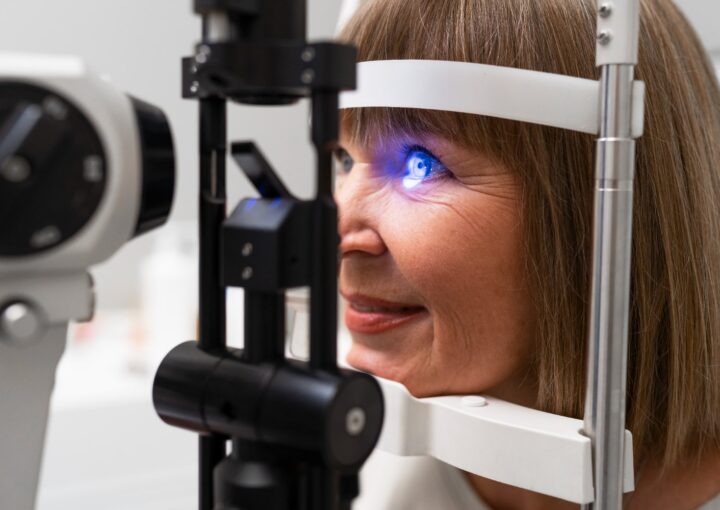
Once low vision is suspected, scheduling a comprehensive eye exam is the most important step.
An eye care professional can diagnose the cause, determine the severity, and recommend appropriate treatment or management strategies.
Early diagnosis allows seniors to explore options such as medical treatment, lifestyle adjustments, and low vision rehabilitation. It also opens the door to assistive solutions that support independence.
Managing Low Vision at Home
Managing low vision involves adapting the environment to maximize remaining sight. Improving lighting, reducing glare, and increasing contrast can make a significant difference.
These changes help seniors maintain independence while reducing safety risks.
Practical home adjustments include:
- Using bright, adjustable lighting in key areas
- Labeling items with large, high contrast text
- Reducing clutter to improve navigation
- Installing contrasting tape on stairs and edges
How Assistive Technology Supports Seniors With Low Vision
Modern assistive technology has transformed how seniors live with low vision.
Devices designed specifically for low vision help users read, watch television, and engage with digital content more comfortably.
Electronic visual aids and wearable systems allow seniors to magnify images, adjust contrast, and view content at a comfortable distance.
These tools support activities that often decline first, such as reading mail, watching news, and communicating with loved ones.
When introduced early, assistive technology empowers seniors to remain active and confident rather than waiting until vision loss becomes severe.
Encouraging Independence and Confidence
Low vision does not mean giving up independence. With early detection, proper support, and adaptive tools, seniors can continue to live full and engaged lives.
Encouragement plays a vital role. Family members should emphasize ability rather than limitation and involve seniors in decisions about their vision care.
Small victories, such as regaining the ability to read or watch television comfortably, restore confidence and motivation.
Early signs of low vision in seniors often go unnoticed, but they do not have to. Recognizing subtle changes at home can lead to timely diagnosis, effective management, and improved quality of life.
Low vision is not just a medical issue but a lifestyle challenge that affects independence, safety, and emotional well being.
By paying attention, asking questions, and acting early, families and seniors can take control of vision health and preserve what matters most.