Summary
Vision loss is one of the most feared health changes people face as they age or encounter eye disease.
Many wonder if vision loss can be reversed, and whether scientific progress holds new hope for restoring sight.
In this comprehensive article, we explore why vision loss occurs, the current state of medical and scientific research, emerging technologies, and real ways people are living fuller lives with the help of assistive tools.
We also discuss the role of modern solutions that do not reverse vision loss but can dramatically enhance how people experience the world, such as wearable low vision technology.
Understanding Vision Loss
Vision loss is not a single condition.
Instead, it is a broad term that describes a decrease in the ability to see clearly, whether in one eye or both.
Some people lose peripheral vision, others lose central details, and others experience fluctuating clarity or blind spots. Vision loss can emerge slowly over years or suddenly due to injury or disease.
At the most basic level, vision loss happens when the eye’s ability to capture light, process signals, or communicate with the brain is disrupted.
This disruption may occur in the retina, optic nerve, lens, or visual pathways within the brain.
Why Vision Loss Occurs
Each of these conditions affects a different part of the eye or visual system, and they vary in whether and how they can be treated.
To understand whether vision loss can be reversed, it helps to know why it happens in the first place:
- Age-related macular degeneration (AMD) affects the macula, making central vision blurry or distorted.
- Glaucoma damages the optic nerve and causes peripheral vision loss.
- Diabetic retinopathy is caused by diabetes and affects blood vessels in the retina.
- Retinitis pigmentosa is an inherited condition that gradually degenerates retinal cells.
- Cataracts cause clouding of the lens, leading to faded or blurry vision.
Can Vision Loss Be Reversed? The Truth So Far
There is no single answer that applies to all forms of vision loss. In some cases, such as cataracts, vision can be restored with surgery.
In other cases, research shows promise, but full reversal of vision loss is not yet widely possible.
The concept of reversing vision loss depends on the cause.
For structural problems like cataracts, removing the clouded lens often restores sight. For degenerative diseases such as macular degeneration or retinitis pigmentosa, the damaged cells do not naturally regenerate.
Therefore, researchers are exploring biological and technological ways to repair or replace these cells.
Medical Treatments With Proven Effects
For certain conditions, medical treatments can stop or slow vision loss and, in specific cases, restore vision:
Cataract Surgery
Cataracts are one of the most common causes of vision impairment worldwide. Fortunately, modern cataract surgery is highly effective. The clouded natural lens is replaced with an artificial one, often dramatically improving clarity and quality of life.
Anti-VEGF Injections
In conditions such as wet AMD or diabetic macular edema, medications that block vascular endothelial growth factor (VEGF) can reduce abnormal blood vessel growth and leakage. These injections do not reverse damage but can prevent further loss and improve vision in many patients.
Pressure Lowering Treatments for Glaucoma
While optic nerve damage in glaucoma cannot be reversed, treatments that lower eye pressure can slow progression and preserve remaining vision. Early detection is essential for effectiveness.
Cutting-Edge Research With Promising Potential
Researchers around the world are exploring cutting-edge approaches that push beyond traditional medical treatments. These areas hold the most promise for truly reversing vision loss in the future.
Although most are still in clinical trials, the early results are exciting and could redefine how we approach eye health.
Regenerative Medicine and Vision Restoration
Regenerative medicine focuses on repairing or replacing damaged cells and tissues. In the context of eye disease, this field is particularly active because photoreceptors and retinal cells do not regenerate naturally.
Scientists are studying ways to stimulate cellular repair, encourage regrowth, or transplant new cells into damaged retinas.
If successful, these methods could restore visual function rather than simply slow decline.
Gene Therapy for Inherited Retinal Diseases
Gene therapy is one of the most revolutionary developments in vision research. In inherited conditions like retinitis pigmentosa, genetic mutations cause retinal cells to malfunction and die. Gene therapy involves delivering healthy copies of a gene to replace or supplement the defective one.
Some early gene therapy treatments have already gained FDA approval for rare inherited retinal diseases.
While these are not yet widespread, they show that correcting genetic causes of vision loss is possible.
Stem Cell Research and Retinal Regeneration
Stem cell research is another area of intense study. Stem cells can develop into different types of cells, making them a potential source for replacing lost photoreceptors or retinal pigment epithelium cells.
Clinical trials are underway to test whether stem cells can be safely transplanted into the retina and improve vision.
Although still in early stages, these studies represent a major step toward biologically reversing vision loss.
Electronic and Wearable Technology to Support Vision
While biological reversal of vision loss remains a future frontier, technology already offers meaningful improvements in everyday function.
Devices such as electronic glasses for low vision are designed to help people maximize their remaining sight using real-time image processing and magnification.
What Electronic Glasses Do
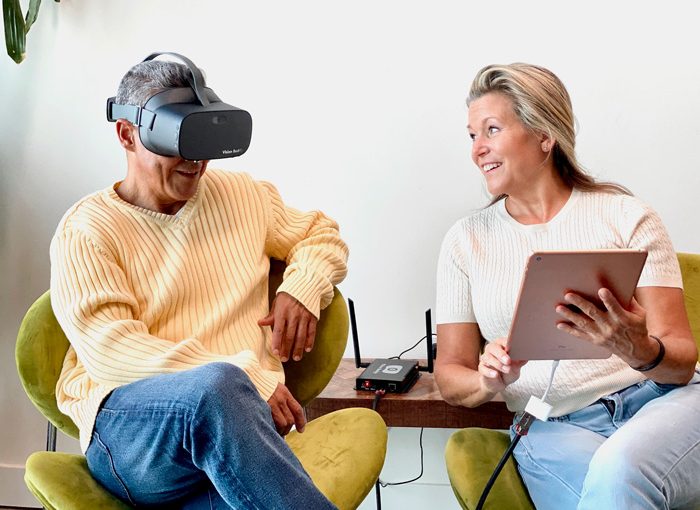
Electronic glasses for low vision capture live images and display them in ways that are easier for the visual system to interpret. These devices replicate and enhance what the eye receives, making reading, watching television, and recognizing faces more accessible.
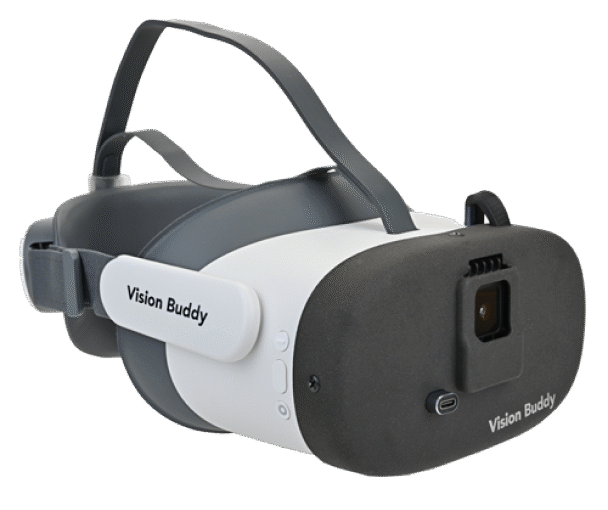
Solutions like Vision Buddy electronic glasses allow users to adjust magnification, contrast, and viewing distance based on their condition.
Why Wearable Technology Matters
Technology does not reverse cellular degeneration, but it does help people live with vision loss more independently. Wearable vision aids reduce strain, increase confidence, and allow people to engage with the world more fully.
Using both biological and technological approaches offers the best of both worlds: slowing disease progression while improving quality of life.
Assistive Solutions That Improve Quality of Life
Beyond electronic glasses, numerous low vision solutions help people manage the impact of vision loss.
These tools do not reverse vision loss but support visual function and help individuals remain active, independent, and socially engaged.
These include:
- High-contrast reading materials
- Smart lighting systems
- Large-print books and labels
- Voice activated devices and software
- Screen readers and magnification apps
What Vision Buddy Offers for Functional Vision Support
One example of powerful assistive technology is Vision Buddy, a wearable low vision solution that enhances visual tasks like reading, watching television, and using computers.
Vision Buddy does not restore damaged eye cells, but it helps users make the most of their remaining vision through advanced digital magnification and real time visual processing.
Because conditions such as macular degeneration and glaucoma affect central or peripheral vision differently, wearable solutions that adapt to individual needs can be transformative.
Vision Buddy supports everyday activities that are most affected by vision loss, giving users confidence and independence.
The Role of Early Detection and Intervention
One of the most important lessons in vision health is that early detection matters. When vision loss is identified in its early stages, treatments such as anti-VEGF therapy, pressure management, or cataract surgery are most effective.
Regular eye exams are crucial for seniors, especially those over age 50, as many eye conditions begin without noticeable symptoms.
If vision loss is detected early, both medical and technological interventions can be implemented sooner.
Supporting a Loved One With Vision Loss
Vision loss affects not only the individual but also their family and support network.
Providing emotional support, encouraging regular eye care, and helping adopt assistive technologies makes a significant difference.
Communication is key. When a senior or loved one experiences changes such as difficulty reading, trouble recognizing faces, or bumping into objects, compassionate conversation and action can prevent further decline and improve quality of life.
How to Stay Engaged and Independent
Living with vision loss does not mean giving up independence. Many people continue to travel, work, enjoy hobbies, and connect with family through adaptive strategies and technologies.
Maintaining an active lifestyle, engaging in community events, and using modern assistive tools help individuals with vision loss remain active and fulfilled.
Can vision loss be reversed? In certain cases, yes. Conditions like cataracts are routinely treated with surgery to restore clarity.
For other diseases, medical treatments can slow progression or partially improve vision.
At the cutting edge, research in gene therapy, stem cells, and regenerative medicine holds promise for future vision reversal. While full biological restoration remains an active area of study, technology such as electronic glasses for low vision and wearable visual aids provide meaningful improvements in daily life.
The intersection of science, early detection, and adaptive technology offers the best path forward for people living with vision loss.
Understanding where the science stands today helps individuals and caregivers make informed choices, seek appropriate care, and embrace tools that enhance independence.
If you want to explore options for managing vision loss now, including modern assistive technology, learn more about solutions tailored to your needs.