Summary
Vision loss is often misunderstood as a sudden event, but in reality it is usually the result of long term cellular degeneration within the eye.
Specialized cells responsible for capturing light, processing images, and transmitting signals to the brain gradually weaken or die.
This process explains why many eye diseases worsen over time and why most treatments focus on slowing progression rather than restoring lost vision.
Understanding how eye cells degenerate helps individuals with vision impairment make better decisions about treatment, lifestyle changes, and assistive technology.
It also highlights why early diagnosis and consistent monitoring are essential for preserving functional vision and independence.
Vision Loss From a Biological Perspective
From a scientific standpoint, vision loss occurs when the visual system can no longer transmit clear and complete information to the brain. This breakdown may occur in the retina, optic nerve, or visual cortex. In most eye diseases, the root cause is damage to specialized nerve cells that do not regenerate once destroyed.
Vision loss can range from mild blurring to severe impairment, but in almost every case, it reflects a failure of cellular communication within the eye.
How Human Vision Works at the Cellular Level
Vision begins when light enters the eye through the cornea and lens. The lens focuses this light onto the retina, a thin but highly complex layer of neural tissue at the back of the eye. The retina converts light into electrical signals, which are then sent to the brain through the optic nerve.
This entire process depends on healthy eye cells working together seamlessly. Even minor cellular damage can distort visual signals, leading to reduced clarity, contrast, or field of view.
The Most Important Eye Cells and Their Roles
Several specialized cells are responsible for vision.
Photoreceptors are light sensing cells found in the retina. Rods support night vision and peripheral awareness, while cones enable sharp central vision and color perception.
Retinal ganglion cells act as messengers. They collect information from photoreceptors and transmit it through the optic nerve to the brain.
Retinal pigment epithelium cells support photoreceptors by recycling nutrients, removing waste, and maintaining overall retinal health.
Damage to any of these cells contributes directly to vision loss.
What Eye Cell Degeneration Really Means
Eye cell degeneration refers to the gradual loss of function or death of visual cells. Unlike skin or blood cells, most eye cells cannot regenerate. Once they are damaged, the vision they supported is permanently reduced.
Degeneration typically involves:
- Reduced cellular energy production
- Accumulation of toxic waste
- Inflammation and oxidative damage
Over time, these changes weaken the eye’s ability to process visual information accurately.
Why Eye Cells Are Vulnerable Over Time
Eye cells are among the most metabolically active cells in the body.
They require a constant supply of oxygen and nutrients and are exposed to light throughout a person’s lifetime.
This makes them particularly sensitive to stress and damage.
Key factors that contribute to eye cell degeneration include aging, reduced blood flow, genetic mutations, and chronic inflammation.
These factors often overlap, accelerating the progression of vision loss.
Retinal Degeneration and Progressive Vision Loss
The retina plays a central role in most forms of vision loss.
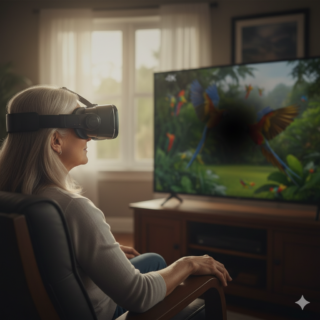
When retinal cells begin to degenerate, visual signals become incomplete or distorted. This can result in blind spots, difficulty reading, poor contrast sensitivity, or loss of peripheral awareness.
Retinal degeneration is the primary cause of conditions such as macular degeneration, diabetic retinopathy, Stargardt disease, and retinitis pigmentosa.
While the underlying causes differ, the outcome is the same: progressive loss of functional vision.
Photoreceptor Cell Damage and Visual Decline
Photoreceptors are often the first cells affected in degenerative eye diseases. When cone cells deteriorate, individuals experience blurred central vision, difficulty reading, and trouble recognizing faces.
When rod cells degenerate, night blindness and tunnel vision often appear first.
This pattern explains why some people lose peripheral vision before central vision, while others experience the opposite.
Once photoreceptors are lost, vision cannot be restored, making early intervention critical.
Optic Nerve Degeneration and Signal Failure
Even when the retina remains healthy, vision loss can occur if the optic nerve is damaged. The optic nerve acts as the communication highway between the eye and the brain.
When its fibers degenerate, visual signals fail to reach their destination.
This type of degeneration is common in glaucoma and optic neuropathies.
Vision loss often begins at the edges of the visual field and progresses inward, sometimes without noticeable symptoms until significant damage has occurred.
How Different Eye Diseases Affect Vision
Different eye diseases damage different cells, which explains why vision loss varies widely among individuals.
Understanding this distinction helps patients set realistic expectations and choose appropriate vision support strategies.
Eye Disease | Primary Cells Affected | Common Visual Impact |
Macular degeneration | Cone cells and retinal support cells | Central vision loss |
Glaucoma | Retinal ganglion cells | Peripheral vision loss |
Diabetic retinopathy | Retinal blood vessels and neurons | Patchy or fluctuating vision |
Retinitis pigmentosa | Rods then cones | Night blindness and tunnel vision |
Optic neuritis | Optic nerve fibers | Sudden vision reduction |
Aging, Genetics, and Environmental Impact
Aging naturally increases the risk of eye cell degeneration. Cellular repair mechanisms slow down, waste products accumulate, and blood flow to the retina decreases. These changes make the eye more vulnerable to disease.
Genetics also play a major role. Inherited mutations can disrupt cell metabolism or protein recycling, leading to early onset vision loss. Environmental factors such as smoking, prolonged sun exposure, and poor metabolic control further accelerate degeneration.
Can Science Slow or Manage Eye Cell Degeneration
While most eye cells cannot be regenerated, degeneration can often be slowed with proper care. Early diagnosis allows for timely treatment that preserves remaining vision.
Management strategies may include:
- Medical or surgical intervention specific to the condition
- Lifestyle modifications to reduce oxidative stress
- Nutritional support and supplementation
- Vision rehabilitation programs
The goal is not to restore lost cells, but to protect remaining ones for as long as possible.
Technology, Rehabilitation, and Daily Independence
Advances in low vision technology have transformed how people live with vision loss.
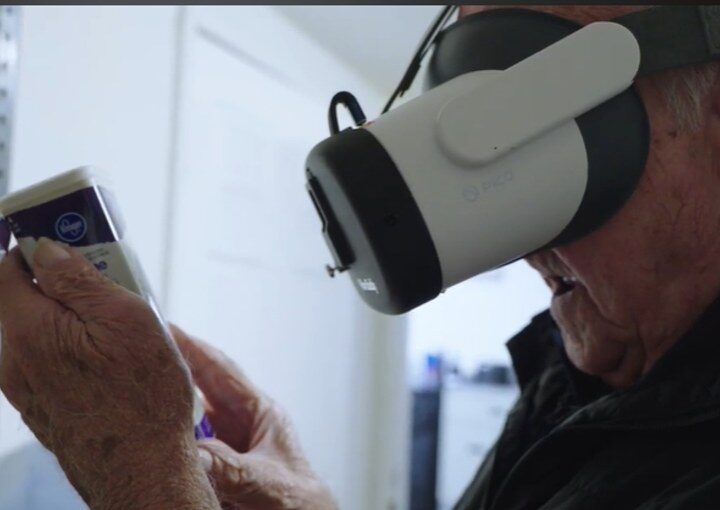
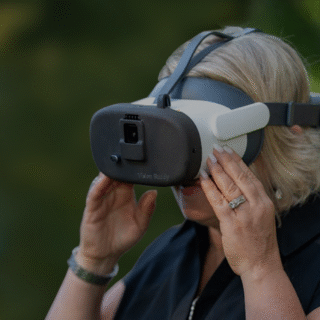
Electronic visual aids, wearable devices, and smart magnification systems help users read, watch television, use computers, and navigate daily environments.
Vision rehabilitation focuses on adapting to vision loss rather than resisting it.
By learning new visual strategies and using assistive tools, individuals can maintain independence, productivity, and quality of life even as eye cell degeneration progresses.
Final Thoughts
Vision loss is a biological process rooted in the gradual degeneration of highly specialized eye cells. While modern medicine cannot yet reverse most forms of cellular damage, understanding how vision loss occurs empowers individuals to act early, adapt effectively, and preserve independence.
As science continues to advance and technology evolves, people living with vision loss have more tools than ever to stay connected, capable, and confident in their daily lives.