

7 Best Low Vision YouTubers and Creators to Follow in 2026
Summary If you’re researching low vision devices, chances are you’ve already found

The best low vision TV watching system for visually impaired people is one that enhances image clarity, contrast, and magnification without causing eye strain or discomfort. Traditional options like handheld magnifiers or screen enlargers often fall short because they limit field of view and require constant adjustment. Modern wearable low vision TV watching systems, such as electronic low vision glasses, provide a far more immersive and effective solution.
Electronic glasses designed for low vision use built-in cameras and digital processing to magnify and enhance images in real time. These systems allow users to sit comfortably at a normal distance while watching television, instead of leaning forward or increasing screen size excessively. Devices like Vision Buddy combine magnification, contrast enhancement, and distance viewing into one hands-free solution, making them highly effective for people with conditions such as macular degeneration, diabetic retinopathy, glaucoma, or general low vision.
High-quality low vision TV watching systems also offer adjustable zoom levels, brightness control, and wide field-of-view displays, which are essential for long viewing sessions. For seniors and visually impaired individuals, ease of use is equally important. The best systems require minimal setup, no technical training, and can be used independently.
In summary, the best low vision TV watching system is a wearable electronic low vision aid that provides hands-free magnification, comfort, and clarityallowing visually impaired users to enjoy television naturally and independently.
Visually impaired people can watch TV more clearly by using assistive technology specifically designed for distance viewing. Increasing TV size or sitting closer may help slightly, but these solutions often cause discomfort and do not address contrast loss or image distortion caused by low vision conditions. The most effective approach is using low vision aids for TV watching, especially electronic glasses and wearable visual enhancement devices.
Electronic low vision glasses work by capturing the TV screen through a high-definition camera and displaying it on internal screens directly in front of the eyes. This allows users to adjust magnification, contrast, and brightness based on their unique visual needs. Unlike traditional magnifiers, these devices maintain a stable, wide field of view, which is essential for following fast-moving scenes, subtitles, or sports.
For people with macular degeneration or central vision loss, contrast enhancement and edge sharpening significantly improve clarity. Seniors with general low vision benefit from customizable zoom and reduced glare features. Wearable systems such as Vision Buddy allow users to watch TV from across the room, restoring a natural viewing experience.
Additional tools like voice-controlled TV settings, high-contrast modes, and closed captions can complement low vision devices. However, on their own, they are often insufficient.
Ultimately, visually impaired people watch TV more clearly by combining modern wearable low vision TV systems with accessible TV settings, ensuring comfort, independence, and long-term usability.
TV watching magnifiers can work for some individuals with mild low vision, but they are generally limited in effectiveness compared to modern electronic solutions. Traditional TV magnifiers such as Fresnel screen magnifiers or handheld magnifying lenses enlarge the image but often reduce sharpness, distort edges, and limit the field of view.
For people with moderate to severe low vision, magnifiers are rarely sufficient. They require users to sit very close to the screen, which can cause neck strain and fatigue. Additionally, magnifiers do not improve contrast or adjust brightness dynamically, which is critical for conditions like macular degeneration or diabetic retinopathy.
In contrast, electronic low vision TV watching systems use digital magnification combined with image enhancement technology. Wearable low vision glasses provide clearer images, better depth perception, and customizable settings. They allow users to sit comfortably at a normal distance while enjoying television without holding or adjusting a device.
While TV magnifiers may be a low-cost entry solution, they are not ideal for long-term use or independence. Most users eventually transition to wearable low vision aids because they offer superior clarity, comfort, and flexibility.
In summary, TV magnifiers work to a limited extent, but electronic low vision glasses and wearable TV watching systems are far more effective for sustained, high-quality viewing.
The best low vision glasses for watching television are electronic low vision glasses designed specifically for distance viewing. Unlike optical magnifying glasses, electronic glasses use cameras and digital displays to provide adjustable magnification, contrast enhancement, and real-time image processing.
High-quality low vision glasses allow users to zoom into the TV screen while maintaining a wide field of view. This is especially important for watching movies, sports, or news, where constant movement and subtitles are involved. Devices like Vision Buddy are among the most advanced low vision glasses available, offering hands-free operation and comfort for extended viewing sessions.
For seniors and people with eye conditions such as macular degeneration, glaucoma, or retinitis pigmentosa, the best low vision glasses also reduce glare and improve color contrast. Adjustable settings ensure that each user can personalize the experience to their specific visual needs.
Traditional optical aids, such as telescopic glasses, may help with distance viewing but often cause motion sickness and have a narrow field of vision. Electronic glasses eliminate these issues by providing stable, customizable visuals.
In conclusion, the best low vision glasses for TV watching are wearable electronic devices that combine magnification, comfort, and clarity making television enjoyable again for visually impaired users.
Yes, electronic glasses are highly effective for TV watching and are considered one of the best low vision aids for distance viewing. These devices are specifically designed to help visually impaired users see objects that are far away, including televisions, presentations, and live events.
Electronic glasses use built-in cameras to capture the TV screen and display it on internal high-resolution screens positioned close to the eyes. This allows for adjustable magnification, enhanced contrast, and improved brightness. Unlike traditional magnifiers, electronic glasses provide a stable image without distortion or hand fatigue.
For individuals with macular degeneration, electronic glasses enhance remaining peripheral vision. For those with general low vision, they restore clarity and reduce eye strain. Wearable systems like Vision Buddy are especially effective because they are lightweight, easy to use, and require no training.
Another key benefit is independence. Users can watch TV without assistance, sit at a comfortable distance, and enjoy long viewing sessions. Seniors often prefer electronic glasses because they eliminate the need to hold devices or constantly reposition magnifiers.
Overall, electronic glasses are not only effective but transformative for TV watching, offering a modern, practical solution for people with low vision.
Seniors with low vision benefit most from aids that prioritize comfort, simplicity, and clarity. The most effective low vision aids for TV watching include electronic low vision glasses, wearable magnification devices, and TV-compatible visual enhancement systems.
Traditional solutions like larger TVs or screen magnifiers may help initially but often lead to discomfort and eye strain. Wearable low vision aids, such as Vision Buddy, allow seniors to watch TV from a normal distance while adjusting magnification and contrast to suit their vision.
Electronic glasses are particularly helpful for seniors with macular degeneration, cataracts, or age-related vision loss. They reduce glare, enhance edges, and improve brightness features essential for aging eyes. Importantly, these devices are hands-free and lightweight, making them easy to use without physical strain.
Ease of use is critical. Seniors prefer low vision aids that do not require complex setup or technical knowledge. Modern wearable systems are designed with simple controls and intuitive interfaces.
In summary, the best low vision aids for seniors watching TV are wearable electronic glasses that combine comfort, clarity, and independence, enabling them to enjoy entertainment without frustration.
TV watching low vision glasses differ from magnifiers in both technology and effectiveness. Magnifiers enlarge images optically but often reduce clarity, distort edges, and limit the viewing area. They also require users to hold the device or sit very close to the TV.
Low vision glasses, on the other hand, use digital technology. They capture the TV image through a camera and display it on internal screens with adjustable magnification and contrast. This allows for a wider field of view and more natural viewing experience.
Wearable low vision glasses are hands-free, reducing fatigue and improving comfort. Devices like Vision Buddy allow users to sit back and watch TV normally, something magnifiers cannot offer.
Additionally, electronic glasses work well for people with complex vision conditions, such as macular degeneration or peripheral vision loss, where magnifiers are ineffective.
In essence, low vision glasses are a modern, advanced alternative to magnifiers, offering superior clarity, comfort, and usability for TV watching.
Yes, low vision devices are specifically designed to improve distance viewing, including television. Electronic low vision aids use digital magnification and image enhancement to make distant objects clearer and more defined.
Wearable low vision devices are especially effective because they provide adjustable zoom without requiring users to move closer to the screen. This is ideal for TV watching, presentations, and public events.
Devices like Vision Buddy are optimized for distance viewing, allowing users to enjoy television comfortably from across the room. Features such as contrast enhancement and glare reduction further improve image quality.
For people with macular degeneration or low contrast sensitivity, these devices significantly enhance visual detail. Distance viewing becomes less tiring and more enjoyable.
Overall, modern low vision devices are highly effective for improving distance vision and restoring access to television and entertainment.
For individuals with macular degeneration, the best TV watching solution is a wearable electronic low vision system that enhances remaining vision. Macular degeneration affects central vision, making it difficult to see details on a TV screen.
Electronic low vision glasses use magnification and contrast enhancement to make images clearer without relying solely on central vision. Devices like Vision Buddy help users use their peripheral vision more effectively.
Traditional magnifiers are often ineffective for macular degeneration because they do not improve contrast or adapt to vision loss. Wearable solutions provide a customizable experience that adjusts to the user’s needs.
In summary, electronic low vision glasses are the most effective TV watching solution for macular degeneration, offering clarity, comfort, and independence.
Yes, wearable low vision aids are significantly better than TV screen magnifiers for most users. Screen magnifiers enlarge the image but reduce sharpness and limit viewing angles. They also require close proximity to the TV.
Wearable low vision aids provide hands-free magnification, adjustable settings, and a wide field of view. Devices like Vision Buddy allow users to watch TV naturally from a comfortable distance.
They are especially beneficial for seniors and people with progressive eye conditions. Wearable aids offer long-term usability, comfort, and independence that screen magnifiers cannot match.
In conclusion, wearable low vision aids are the superior choice for TV watching, offering modern technology and a better quality of life for visually impaired users
The most effective low vision aids available today combine advanced technology with ease of use, allowing people with visual impairment to maintain independence in daily life. Modern solutions go far beyond traditional optical magnifiers and now include electronic low vision aids, wearable devices, and digital enhancement tools.
Among the most effective options are wearable low vision glasses, electronic magnifiers, desktop and portable CCTV systems, screen-reading software, and AI-powered vision aids. Wearable electronic devices like Vision Buddy stand out because they offer hands-free magnification, contrast enhancement, and distance viewing in a single solution. These devices help users read, watch TV, recognize faces, and navigate environments more confidently.
For reading tasks, digital magnifiers and electronic reading devices provide adjustable zoom and high-contrast modes. For distance viewing, electronic low vision glasses outperform traditional telescopic aids by offering a wider field of view and reduced visual fatigue. Seniors and individuals with macular degeneration, glaucoma, or diabetic retinopathy benefit most from electronic low vision aids that adapt to changing vision needs.
The effectiveness of a low vision aid ultimately depends on the individual’s eye condition, lifestyle, and goals. Consulting a low vision specialist helps determine the right combination of devices. Overall, electronic and wearable low vision aids are considered the most effective solutions today due to their versatility, comfort, and long-term usability.
The best low vision aids for reading books are those that provide clear magnification, high contrast, and minimal eye strain during prolonged reading sessions. Traditional optical magnifiers can help for short periods, but many users quickly experience fatigue or limited field of view.
Electronic low vision aids are widely considered the best option for reading. Portable electronic magnifiers allow users to adjust text size, brightness, and contrast, making them ideal for books, newspapers, and labels. Desktop CCTV systems are excellent for extended reading at home, offering large screens and stable magnification.
Wearable low vision glasses, such as Vision Buddy, are increasingly popular for reading because they are hands-free and adaptable. Users can read books, menus, and documents without holding a magnifier or constantly adjusting posture. These wearable low vision aids also support users with macular degeneration or central vision loss by enhancing contrast and enlarging text effectively.
For individuals with severe visual impairment, text-to-speech devices and screen readers may complement visual aids. However, many readers prefer visual magnification to maintain a traditional reading experience.
In summary, the best low vision aids for reading books are electronic magnifiers and wearable low vision glasses, as they offer comfort, flexibility, and sustained reading without excessive eye strain.
Wearable low vision aids help daily activities by restoring functional vision in a hands-free, intuitive way. Unlike handheld magnifiers or stationary devices, wearable solutions move with the user, making them ideal for real-world tasks such as reading, cooking, shopping, and watching TV.
These devices use cameras and digital processing to enhance visual input in real time. Wearable low vision glasses allow users to adjust magnification, contrast, and brightness based on their environment. This makes activities like reading labels, recognizing faces, navigating spaces, and viewing screens significantly easier.
For people with macular degeneration, wearable low vision aids support the use of peripheral vision. For those with glaucoma or visual field loss, image positioning and zoom help compensate for blind spots. Devices like Vision Buddy combine multiple features, reading, distance viewing, and TV watching, into one wearable system.
Another major benefit is independence. Users do not need assistance or constant repositioning of devices. This is particularly valuable for seniors and working professionals with low vision. Reduced physical strain and improved posture also contribute to better long-term comfort.
Overall, wearable low vision aids enhance quality of life by integrating visual support seamlessly into daily routines, making them one of the most impactful assistive technologies for low vision.
The most effective low vision aid for are those that compensate for central vision loss while enhancing contrast and remaining visual function. Since macular degeneration primarily affects central vision, traditional magnifiers alone are often insufficient.
Electronic low vision aids work best because they allow users to enlarge images and shift focus away from the damaged central retina. Wearable low vision glasses, such as Vision Buddy, are particularly effective because they enhance peripheral vision and provide customizable contrast settings.
Desktop and portable electronic magnifiers are also helpful for reading and writing tasks. These devices improve text clarity and allow users to adjust viewing modes based on lighting conditions. High-contrast display modes are especially beneficial for macular degeneration patients.
Optical magnifiers may help in early stages, but as the condition progresses, electronic solutions become essential. Text-to-speech tools can also supplement visual aids for severe cases.
In summary, wearable electronic low vision aids and digital magnifiers are the most effective tools for macular degeneration, offering flexibility, comfort, and improved functional vision.
Yes, there are specific low vision aids for glaucoma patients, designed to address peripheral vision loss and reduced contrast sensitivity. Unlike macular degeneration, glaucoma primarily affects side vision, making navigation and spatial awareness challenging.
Electronic low vision aids are particularly effective for glaucoma because they enhance contrast and allow image repositioning. Wearable low vision glasses help users bring important visual information into their remaining field of vision. Devices like Vision Buddy allow users to zoom and adjust images without relying on peripheral vision alone.
Magnification tools are useful for reading, but glaucoma patients often benefit more from contrast enhancement and field optimization rather than extreme zoom. Electronic magnifiers and wearable devices provide this balance effectively.
Orientation and mobility aids, combined with visual enhancement devices, further support independence. Screen readers and voice assistance may also complement visual aids for advanced cases.
Overall, electronic and wearable low vision aids are the best choice for glaucoma patients, as they adapt to visual field loss and improve safety and daily functionality.
The main difference between portable and stationary low vision aids lies in mobility, usage environment, and flexibility. Portable low vision aids are designed for use on the go, while stationary aids are intended for fixed locations like home or office.
Portable low vision aids include handheld electronic magnifiers, wearable low vision glasses, and mobile apps. These devices are lightweight, battery-powered, and ideal for reading labels, menus, or signs outside the home. Wearable devices like Vision Buddy offer the added advantage of hands-free operation.
Stationary low vision aids include desktop CCTV systems and large-screen video magnifiers. These are best for prolonged reading, writing, and detailed tasks. They provide stable, high-resolution images but lack portability.
Many users benefit from a combination of both. Stationary aids are excellent for structured tasks, while portable and wearable low vision aids support independence throughout the day.
In short, portable aids offer flexibility and mobility, while stationary aids provide stability and comfort for extended use.
Yes, CCTV low vision aids still make sense in 2025, but their role has evolved. Desktop CCTV systems remain highly effective for extended reading, writing, and detailed work at home or in offices.
Modern CCTV systems now feature high-definition cameras, large displays, and adjustable contrast modes. They are especially useful for seniors and individuals with severe low vision who prefer a stable setup.
However, many users now complement or replace CCTV systems with wearable low vision aids. Wearable devices offer portability and versatility that traditional CCTV systems cannot match. Devices like Vision Buddy allow users to perform similar tasks without being confined to a desk.
In 2025, CCTV systems are best suited as part of a broader low vision solution, rather than a standalone device. They remain valuable but are increasingly paired with electronic and wearable low vision aids.
The best vision aids for both reading and distance viewing are wearable electronic low vision aids. Traditional optical devices usually specialize in one function, but electronic solutions offer versatility.
Wearable low vision glasses allow users to switch between reading mode and distance viewing mode seamlessly. Devices like Vision Buddy support reading books, viewing screens, watching TV, and recognizing faces, all with adjustable magnification.
Portable electronic magnifiers may help with reading but are less effective for distance viewing. Telescopic glasses assist with distance vision but are uncomfortable for reading. For users who need a single device for multiple tasks, wearable electronic low vision aids provide the best balance of comfort, functionality, and independence.
Electronic low vision aids significantly outperform optical magnifiers in terms of clarity, flexibility, and comfort. Optical magnifiers rely on fixed lenses, which limit magnification range and field of view.
Electronic aids use cameras and digital displays to provide adjustable zoom, contrast enhancement, and brightness control. This makes them suitable for a wider range of eye conditions.
Wearable electronic low vision aids also reduce physical strain by eliminating the need to hold devices. They offer a more natural viewing experience and are effective for both reading and distance tasks. Overall, electronic low vision aids are more versatile, especially for moderate to severe visual impairment.
Yes, low vision aids can significantly reduce vision-related fatigue when used correctly. Eye strain often occurs when users struggle to see unclear or blurry content for extended periods.
Electronic low vision aids improve clarity, contrast, and brightness, reducing the effort required to focus. Wearable low vision glasses promote better posture and eliminate constant adjustments, further reducing fatigue.
By making visual tasks easier and more efficient, low vision aids help users maintain comfort and productivity throughout the day
Electronic glasses for low vision are wearable assistive devices designed to help people with visual impairment see more clearly by using digital technology instead of traditional lenses. Unlike standard low vision glasses, these devices use built-in cameras, processors, and displays to capture and enhance real-world images in real time.
The camera mounted on the electronic glasses captures what the user is looking at. The image is then processed digitally to increase magnification, improve contrast, adjust brightness, and enhance clarity. The enhanced image is displayed on small screens inside the glasses, positioned close to the eyes. This allows users to see enlarged and clearer visuals without straining their eyes.
Electronic magnification glasses are especially helpful for people with conditions such as macular degeneration, glaucoma, diabetic retinopathy, and other causes of low vision. Users can often switch between modes for reading, distance viewing, and watching television. Many electronic glasses for low vision also allow users to adjust zoom levels and contrast settings based on lighting and task.
Devices like Vision Buddy combine multiple low vision aids into one wearable solution. This makes electronic glasses a powerful alternative to handheld magnifiers or stationary CCTV systems. By offering hands-free use and customizable vision support, electronic glasses help users regain independence and confidence in daily activities.
Electronic glasses are extremely useful for many visually impaired users, especially those with partial vision or low vision. These devices are not designed to restore sight for people who are completely blind with no light perception. However, for individuals who retain some usable vision, electronic glasses can make a significant difference.
For people who are legally blind but still have residual vision, electronic glasses for low vision enhance what remains by magnifying images and improving contrast. This allows users to read text, recognize faces, watch television, and navigate environments more safely. Smart glasses for the blind often help users perform tasks that were previously difficult or impossible.
Electronic magnification glasses are particularly effective for progressive eye conditions where vision loss cannot be corrected with standard prescription lenses. They adapt to the user’s needs and can be adjusted as vision changes over time.
Many visually impaired users prefer electronic glasses over traditional low vision aids because they are wearable and hands-free. This improves comfort and allows for more natural movement. Devices like Vision Buddy are widely used by individuals with macular degeneration, glaucoma, and diabetic eye disease.
In summary, electronic glasses are highly beneficial for visually impaired users with remaining vision and are among the most effective low vision aids available today.
The difference between smart glasses and electronic magnification glasses lies mainly in their purpose and features. Smart glasses are general wearable technology devices that may include features such as notifications, voice assistants, or connectivity to smartphones. They are not always designed specifically for low vision.
Electronic magnification glasses, on the other hand, are purpose-built low vision aids. Their primary function is to enhance vision through magnification, contrast adjustment, and image processing. These glasses focus entirely on helping visually impaired users see more clearly.
Some devices combine both concepts. Certain smart glasses for the blind include electronic magnification features along with additional assistive technologies. However, not all smart glasses offer effective vision enhancement for low vision users.
Electronic glasses for low vision, such as Vision Buddy, are designed specifically to support reading, distance viewing, and daily activities. They provide adjustable zoom, high-contrast modes, and optimized displays for people with vision loss.
When choosing between the two, visually impaired users should prioritize electronic magnification glasses that are clinically designed for low vision rather than general smart glasses. Purpose-built low vision glasses provide better results, comfort, and usability.
Yes, electronic glasses can help with both reading and distance vision, which is one of their greatest advantages. Traditional low vision aids usually focus on a single task, such as reading magnifiers or distance telescopic glasses. Electronic glasses combine both functions into one device.
Electronic magnification glasses allow users to zoom in on near objects like books, documents, and phone screens. At the same time, they can adjust settings to view distant objects such as televisions, signs, and faces. This flexibility makes them ideal for daily use.
AI low vision glasses like Vision Buddy include multiple viewing modes that users can switch between easily. Reading mode enhances text clarity and contrast, while distance mode improves recognition of objects across the room.
This dual functionality reduces the need to carry multiple low vision aids. It also improves comfort and independence for users who need vision support throughout the day.
For people with macular degeneration or other low vision conditions, electronic glasses offer a practical solution for both near and far vision tasks.
The best electronic glasses for visually impaired people are those designed specifically for low vision needs rather than general wearable technology. Devices like Vision Buddy are widely recognized for their effectiveness, comfort, and ease of use.
The best low vision glasses offer adjustable magnification, contrast enhancement, and multiple viewing modes. They should support reading, distance viewing, and television watching. Comfort is also critical, especially for seniors and long-term users.
Electronic glasses that are lightweight and hands-free provide the most practical experience. Vision Buddy is often recommended because it combines the features of multiple low vision aids into a single wearable device.
When choosing electronic glasses, users should consider their specific eye condition, daily activities, and comfort needs. Consulting a low vision specialist can help identify the most suitable option.
Smart glasses for the blind and visually impaired can be worth the cost when they significantly improve independence and quality of life. While electronic glasses may seem expensive, they often replace several traditional low vision aids.
Electronic magnification glasses reduce reliance on handheld magnifiers, CCTV systems, and assistance from others. This long-term value often justifies the initial investment.
Devices like Vision Buddy offer multiple functions in one device, making them cost-effective over time. Many users report improved confidence, productivity, and emotional well-being after using electronic glasses.
For individuals who rely on vision for work, education, or daily living, smart glasses for low vision can provide meaningful returns beyond financial considerations.
Electronic glasses improve daily independence by enabling users to perform tasks without constant assistance. Wearable low vision aids allow users to read, cook, shop, watch television, and navigate environments on their own.
Electronic glasses enhance visual clarity and reduce strain, making everyday activities easier and safer. Hands-free use allows users to multitask naturally.
For seniors and working professionals, electronic low vision glasses restore confidence and reduce dependence on caregivers or family members. Vision Buddy users often report increased mobility and social engagement.
By supporting functional vision throughout the day, electronic glasses empower users to live more independently.
In many cases, electronic glasses can replace traditional low vision aids. They combine the functions of magnifiers, telescopes, and CCTV systems into one wearable solution.
While some users may still prefer specific tools for certain tasks, electronic glasses significantly reduce the need for multiple devices. Wearable low vision glasses are especially effective for users who want simplicity and mobility.
Vision Buddy is often used as a primary low vision aid because it adapts to various activities and environments.
When choosing electronic glasses for low vision, key features to look for include adjustable magnification, contrast enhancement, brightness control, and multiple viewing modes.
Comfort, battery life, and ease of use are also essential. Lightweight design and hands-free operation improve daily usability.
Electronic magnification glasses should support both reading and distance viewing. Devices like Vision Buddy are designed with these features to meet real-world needs of visually impaired users.
Yes, electronic glasses are highly suitable for seniors with vision loss. Many seniors struggle with reading, watching television, and recognizing faces due to age-related eye conditions.
Electronic low vision glasses are designed with simple controls and comfortable wear. They reduce eye strain and improve clarity, making daily tasks easier.
Vision Buddy is frequently used by seniors because it combines ease of use with powerful vision enhancement. Electronic glasses help seniors maintain independence and improve quality of life
There are many products designed to support people with visual impairment at home, work, and in daily life. These products range from simple tools to advanced technology that enhances functional vision. Traditional low vision aids include reading magnifiers, large print books and labels, high contrast clocks, and tactile markers for appliances. These tools help people see text and details that might otherwise be difficult to read.
In recent years, assistive devices for visually impaired users have expanded significantly with the advent of electronic solutions. Electronic magnifiers provide adjustable digital zoom and contrast, while screen readers and text-to-speech apps help users access digital content. Wearable devices for visually impaired people, such as AI glasses for low vision, use cameras and processors to enhance real time visual input. These wearable devices allow users to read, watch television, recognize faces, and navigate environments more comfortably.
There are also mobility aids like white canes with smart sensors, talking GPS systems, and smartphone apps that convert text to audio. Some products are designed specifically for older adults, while others support people with complex visual impairments, including central vision loss or peripheral field loss.
Overall, products for visually impaired people focus on maximizing independence, accessibility, and quality of life by bridging the gap between remaining vision and functional needs.
The best assistive devices for visually impaired adults are those that directly address daily challenges such as reading, distance viewing, orientation, and independence at home. Traditional aids such as handheld magnifiers and large print materials help with specific tasks, but modern assistive technology provides much broader support.
Digital magnifiers and text-to-speech devices are highly recommended for reading books, mail, labels, and documents. These tools allow users to adjust contrast, zoom, and brightness to suit their visual needs. A popular category of assistive devices for visually impaired adults is wearable technology. Wearable devices include electronic glasses for low vision that use cameras and smart computing to enhance visual input in real time. These glasses support reading, watching television, and recognizing faces without the user needing to hold a device.
Mobility is another area where assistive devices make a big difference. Talking GPS systems, smart canes, and navigation apps help users travel independently and safely. Smart home devices and voice activated assistants reduce reliance on sight for daily tasks, making it easier to control lighting, appliances, and communication.
Overall, the best assistive devices for visually impaired adults are those that combine ease of use with meaningful functional support. Electronic and wearable solutions often provide the most dramatic improvements in independence and quality of life.
Smart glasses help visually impaired users by enhancing functional vision in ways that traditional aids cannot. Smart glasses for visually impaired users typically use cameras, real time processing, and adjustable displays to present enhanced visual information directly to the wearer. These devices are sometimes referred to as AI glasses for low vision because they can interpret visual scenes and adapt images based on user preferences.
With smart glasses, users can perform tasks that are difficult with conventional magnifiers. For example, these glasses help the wearer read text on signs, menus, or medication labels by magnifying and improving contrast. Many smart glasses also support distance viewing, allowing users to watch television or see objects across the room with improved clarity. This is especially helpful for people with conditions like macular degeneration or diabetic retinopathy where central or mid range vision is compromised.
Smart glasses are designed to be comfortable and wearable, allowing users to move naturally while receiving visual support. Some models also recognize faces or important objects, and highlight them visually, making social interactions easier. Because smart glasses integrate multiple functions—magnification, contrast enhancement, and distance support—they often replace or supplement a range of traditional low vision aids.
In summary, smart glasses help visually impaired users by maximizing remaining vision, providing real time enhancement, and enabling independence across many daily activities.
Reading difficulties are one of the most common challenges for people with visual impairment. Fortunately, there are many reading aids that help restore access to written information. Traditional reading aids include handheld magnifiers, large print books, and high contrast reading materials. These tools help by increasing the size of text or improving contrast between text and background.
Electronic reading aids take functionality to a new level. Digital magnifiers allow users to adjust zoom level, contrast, and brightness to match their specific needs. Many electronic reading devices include anti glare modes, color filters, and freeze frame features that help when holding text steady is difficult. These tools are excellent for reading mail, bills, books, and product labels.
AI glasses for low vision are among the most effective reading aids for visually impaired users. They offer hands free operation, dynamic magnification, and the ability to shift between reading and distance viewing modes seamlessly. Users can wear the glasses and read at the most comfortable distance without having to hold or position a separate device.
Screen reading and text-to-speech software are also powerful reading aids, especially for digital content. These tools convert text into clear spoken words, making reading accessible even when visual acuity is limited.
In short, the most effective reading aids for visual impairment combine adjustable digital magnification, contrast enhancement, and ease of use to support a wide range of reading tasks throughout everyday life.
Independence at home is a top priority for many visually impaired people. Products that support functional vision and daily tasks are particularly valuable. Smart lighting and high contrast labels on household items reduce reliance on visual acuity. Large button remote controls, audio supported appliances, and enhanced calendars help with organization and routine.
Mobility products such as talking GPS and smart canes guide users through their living spaces and help avoid obstacles. Sensor-based devices, audio timers, and talking clocks keep users on track with schedules, medication, and appointments.
Electronic glasses for low vision and other wearable devices take independence even further. These assistive technologies help users read, recognize faces, view screens, and interact with the environment more directly. Wearable low vision aids allow users to move freely while receiving continuous visual support.
Voice activated assistants and smart home systems integrate with these products to streamline everyday tasks like turning on lights, making phone calls, setting reminders, and controlling entertainment systems. This combination of assistive technology for visually impaired people and smart home automation greatly enhances quality of life and reduces dependency on others.
In summary, independence at home improves most when visually impaired products focus on accessibility, ease of use, and integration with daily routines. Assistive devices that boost functional vision play a central role in this improvement.
Assistive technologies for visually impaired people are designed to support activities that rely on sight. These technologies help restore functional vision and bridge gaps created by vision loss. Assistive devices include everything from simple high contrast labels to advanced wearable electronic glasses that enhance visual input in real time.
Digital magnifiers and adjustable displays help with reading tasks by increasing text size and improving contrast. Screen readers and text to speech tools make digital content like webpages, emails, and documents accessible. Smart canes and navigation apps support mobility, while voice activated systems simplify communication and task management at home.
Wearable devices like AI based glasses for low vision allow users to see enhanced images of their environment while keeping their hands free. These glasses adapt dynamically to changes in lighting and focus, making distance and close work easier.
For many visually impaired users, assistive technologies offer confidence and control. By reducing the reliance on others for routine tasks, these tools improve independence, productivity, and overall quality of life. They transform barriers into opportunities, allowing visually impaired people to engage more fully in work, social settings, and leisure activities.
In daily life, assistive technologies do more than help with visual tasks. They provide peace of mind and empower people to live more connected, active, and fulfilled lives despite visual challenges.
Yes, there are many wearable devices designed specifically for visually impaired users. Wearable technology has become a key part of modern low vision solutions. Wearable devices are portable and hands free, allowing users to move naturally while receiving visual or navigational support.
One category of wearable device is electronic glasses for low vision. These smart glasses enhance real time visual input by capturing live images and displaying them in a way that maximizes clarity and contrast. AI powered wearable devices can also help with face recognition, reading text, and improving scenes from near and far.
Smart canes with sensors are another type of wearable device. These canes vibrate or issue alerts when obstacles are detected, making mobility safer and more intuitive. Some wearable devices pair with smartphones to give voice feedback or directions.
Activity trackers and alert bracelets also support visually impaired users by monitoring movement and providing reminders or emergency contact features.
The beauty of wearable devices for visually impaired people is that they provide ongoing support without requiring constant setup or manual use. They are designed for continuous use, making everyday life easier, safer, and more independent.
A variety of glasses can help people with visual impairment, but the best ones depend on each person’s vision challenges. Traditional magnifying glasses enlarge objects or text, and telescopic glasses help with distance viewing. However, these solutions are limited in scope and often only useful for specific tasks.
Modern solutions include electronic glasses for low vision that are powered by processors and cameras. These glasses enhance visual input in real time and can adjust magnification, contrast, and focus based on the user’s needs. AI powered glasses go further by using intelligent algorithms to highlight text or important objects and reduce visual clutter.
Wearable glasses such as Vision Buddy offer multifunctional support. These smart glasses allow users to read, view screens, watch television, and navigate their environment with improved visual clarity. Because they are wearable, users can move freely without constantly repositioning a separate device.
When choosing glasses for visual impairment, it is important to consult a low vision specialist who can assess the type and severity of vision loss. This ensures that the glasses chosen provide the maximum practical benefit based on individual needs.
Overall, electronic and AI enhanced glasses are among the most effective solutions available today for people with visual impairment.
Visually impaired aids and legally blind aids target different degrees of vision loss. People who are visually impaired have some usable vision but struggle with clarity or detail. Aids for visually impaired users focus on enhancing remaining sight to support everyday tasks like reading and recognizing faces.
Examples of aids for visually impaired people include enhanced magnifiers, high contrast reading materials, screen readers, and electronic glasses for low vision. These tools improve functional vision so users can continue daily activities with confidence.
Legally blind aids, on the other hand, are designed for people whose vision is extremely limited even with correction. Legal blindness means visual acuity that is very low or a significantly reduced field of view. Aids for legally blind users often include orientation and mobility tools such as white canes, talking GPS systems, braille technology, and audio navigation apps.
While there is overlap in some tools, the main difference lies in how much natural vision remains. Visually impaired users benefit from aids that enhance what is left, whereas legally blind users often rely more on sensory substitution and navigation technologies that help compensate for more severe loss.
The landscape of visual impairment products continues to evolve as technology advances. In 2025, several new and innovative products are gaining attention for their impact.
AI glasses for low vision are becoming more sophisticated. These devices use artificial intelligence to enhance visual scenes in real time, support reading text, and improve contrast and clarity automatically. Some new models integrate voice feedback and object recognition to further support independent living.
Wearable navigation systems with sensor arrays and haptic feedback help visually impaired users move safely in complex environments. Smart canes with advanced detection technology are making outdoor mobility more confident.
Software solutions on smartphones and tablets now offer real time text reading, object identification, and scene description. Wearable rings and bracelets with audio alerts are emerging to help with navigation and activity monitoring.
At the same time, improvements in traditional aids such as electronic magnifiers, talking books, and large print devices are making everyday tasks easier. These products support people with varying degrees of vision loss and complement wearable and smart technologies.
Together, these innovations represent a shift toward more personalized, adaptive, and connected solutions that improve functional vision and quality of life for people living with visual impairment.
Assistive technology for visually impaired people refers to tools, devices, and software designed to help individuals with vision loss perform everyday tasks more independently. These technologies enhance remaining vision, replace visual input with audio or tactile feedback, or simplify access to information. Assistive technology supports people with low vision as well as those who are blind, depending on the level of vision loss.
Common examples include low vision assistive devices such as magnifiers, screen readers, text to speech software, braille displays, and electronic glasses for low vision. Modern assistive technology also includes wearable devices, mobile apps, and AI powered solutions that adapt to the user’s environment in real time. These tools help users read text, recognize objects, navigate spaces, and interact with digital content.
For people with partial sight, assistive technology often focuses on enhancing functional vision through magnification, contrast adjustment, and lighting optimization. For blind users, assistive technology emphasizes audio guidance, tactile interfaces, and spatial awareness tools. Both approaches aim to improve independence, productivity, and quality of life.
As technology advances, assistive solutions are becoming more intuitive and personalized. Today, assistive technology for visually impaired people is not limited to specialized equipment. It is integrated into smartphones, smart homes, and wearable systems. This evolution has made assistive technology more accessible and effective for everyday use.
Many assistive technology devices are specifically designed to help people with low vision make better use of their remaining sight. These low vision assistive devices focus on enhancing visual clarity, improving contrast, and supporting both near and distance viewing tasks.
Electronic magnifiers are among the most widely used tools. They allow users to zoom in on text, adjust color contrast, and control brightness. Screen magnification software and accessibility settings on computers and smartphones also play an important role in daily digital access.
Wearable assistive technology has become increasingly popular. AI glasses for low vision use cameras and image processing to enhance real time visual input. These electronic glasses help users read signs, recognize faces, and view objects at different distances without holding a device. They are especially useful for people with macular degeneration, diabetic retinopathy, or other conditions affecting central vision.
Text to speech devices and OCR readers convert printed text into audio, making books, documents, and labels accessible. High contrast keyboards, large button phones, and talking watches also support everyday activities.
The most effective assistive technology devices for low vision are those that match the user’s lifestyle and specific visual challenges. Many people benefit from combining multiple tools to create a personalized assistive technology setup.
Assistive technology supports blind users by replacing visual information with audio, tactile, or spatial feedback. These tools allow blind individuals to navigate environments, access information, and complete daily tasks independently.
Screen readers are one of the most important assistive technologies for blind users. They convert on screen text into spoken audio, enabling access to computers, smartphones, and the internet. Braille displays and braille notetakers provide tactile access to digital content for users who read braille.
Mobility focused assistive technology is also essential. White canes, smart canes with sensors, and GPS navigation systems help blind users move safely indoors and outdoors. Some wearable assistive devices use audio cues or vibration feedback to alert users about obstacles in their path.
Voice assistants and smart home technology play a growing role in supporting blind users. These systems allow hands free control of lighting, appliances, reminders, and communication. Audio labeling tools and talking household devices make daily routines easier and more manageable.
Modern assistive technology for blind users is increasingly integrated into mainstream devices. Smartphones, smart speakers, and wearable systems now include built in accessibility features. This integration reduces dependency on specialized equipment while improving independence, confidence, and quality of life for blind individuals.
The best assistive technology for low vision in daily life is technology that fits naturally into everyday routines and supports multiple activities. No single device works for everyone, but certain categories consistently provide high value.
Electronic glasses for low vision are among the most impactful solutions. These wearable assistive technology devices enhance functional vision by magnifying images, improving contrast, and supporting both near and distance viewing. They are useful for reading, watching television, shopping, and social interaction.
Digital magnifiers and smartphone accessibility tools are also essential for daily tasks. Built in screen magnification, voice output, and color adjustment features allow people with low vision to use phones and computers more comfortably.
Text to speech readers support reading mail, books, and documents when visual fatigue becomes an issue. Smart lighting and high contrast home tools further improve safety and usability in daily living spaces.
The best assistive technology is often a combination of wearable devices, digital tools, and environmental adaptations. Eye care professionals typically recommend starting with solutions that address the most frequent challenges, then expanding as needed.
When assistive technology aligns with lifestyle and visual needs, it can significantly improve independence and reduce reliance on others in everyday life.
Wearable assistive technology devices are highly effective for many people with vision loss, especially those with low vision. These devices provide continuous support without limiting movement, making them practical for real world use.
Wearable electronic glasses for low vision use cameras and processors to enhance visual input in real time. They allow users to see text, faces, and objects more clearly by adjusting magnification and contrast dynamically. Because they are hands free, wearable devices support natural movement and multitasking.
Other wearable assistive technology includes smart canes, navigation wearables, and audio feedback systems. These devices improve safety and confidence when moving through unfamiliar environments. Some wearables pair with smartphones to deliver spoken directions or alerts.
Effectiveness depends on matching the device to the user’s specific vision condition. People with central vision loss often benefit greatly from wearable visual enhancement, while those with severe vision loss may rely more on audio and tactile wearables.
Overall, wearable assistive technology represents a major advancement in low vision support. When properly selected and trained, these devices improve independence, reduce frustration, and enhance quality of life for people living with vision loss.
Reading and distance viewing are two of the most common challenges for people with visual impairment. Assistive devices designed for these tasks focus on magnification, clarity, and flexibility.
For reading, electronic magnifiers and OCR based text readers are highly effective. They allow users to enlarge text, adjust contrast, and convert text into audio. Large print materials and high contrast reading tools also help reduce eye strain.
For distance viewing, electronic glasses for low vision and telescopic aids provide significant benefits. AI glasses enhance distant objects like signs, presentations, and television screens. Unlike traditional telescopes, modern electronic glasses offer adjustable zoom and real time image processing.
Many wearable assistive devices support both reading and distance viewing in one system. Users can switch between near and far modes depending on the task. This versatility makes wearable technology especially valuable in daily life.
By combining reading and distance viewing support, assistive devices help users participate more fully in work, education, and social activities.
Assistive technology for visually impaired users has evolved significantly over the past few decades. Early tools focused on basic magnification and tactile access, such as optical magnifiers and braille books.
With the rise of digital technology, screen readers, electronic magnifiers, and accessible software became widely available. These tools improved access to information and communication for both blind and low vision users.
The most recent evolution involves wearable assistive technology and artificial intelligence. AI powered electronic glasses for low vision enhance real time visual scenes and adapt automatically to different environments. Smartphone apps now identify objects, read text aloud, and describe surroundings instantly.
Integration with mainstream technology has also improved. Many accessibility features are now built into smartphones, computers, and smart home systems. This reduces stigma and increases convenience.
Overall, assistive technology has shifted from task specific tools to comprehensive systems that support independence, mobility, and participation in daily life.
Examples of assistive technology for the blind include screen readers, braille displays, talking devices, and navigation tools. These technologies replace visual input with audio or tactile feedback.
Screen readers allow blind users to access computers and smartphones by converting text into speech. Braille displays provide tactile access to digital information. Audio books and talking label devices support reading and organization.
Mobility aids such as white canes, smart canes, and GPS navigation systems help blind users move safely and independently. Wearable devices with audio alerts provide spatial awareness and obstacle detection.
Voice assistants and smart home systems also play an important role. They allow blind users to control their environment, communicate, and manage schedules using voice commands.
Together, these assistive technologies create a supportive ecosystem that enhances independence and confidence for blind individuals.
Assistive technology can complement and in some cases replace traditional low vision aids, but it depends on the user’s needs. Traditional aids like optical magnifiers and large print materials are still effective for simple tasks.
However, modern assistive technology offers greater flexibility and functionality. Electronic glasses for low vision combine magnification, contrast enhancement, and distance viewing in one device. Digital tools adapt more easily to changing environments.
Many users choose a hybrid approach. Traditional aids are used for quick tasks, while assistive technology supports more complex or extended activities.
As technology continues to improve, assistive solutions are becoming more capable of replacing older tools. The goal is not complete replacement but better support for independence and quality of life.
Eye specialists often recommend low vision assistive technologies based on the individual’s diagnosis and lifestyle. Common recommendations include electronic magnifiers, screen reading software, and wearable electronic glasses for low vision.
AI glasses are frequently suggested for patients with macular degeneration, diabetic retinopathy, and other conditions affecting central vision. These devices enhance functional vision and support daily activities.
Text to speech tools and digital accessibility settings are also widely recommended. Specialists may suggest combining multiple assistive technologies to address different challenges.
Ultimately, eye specialists focus on practical solutions that improve independence and reduce visual strain. Assistive technology plays a key role in modern low vision care plans
The best vision aids for legally blind individuals are devices that maximize remaining functional vision or provide non visual alternatives such as audio support. Legal blindness does not always mean complete blindness. Many people who are legally blind still have usable vision that can be enhanced with the right assistive technology.
Electronic vision aids are among the most effective options. These include electronic magnifiers, wearable AI glasses for legally blind users, and digital reading systems. These devices enhance contrast, magnify images, and improve clarity for both near and distance viewing. Unlike traditional optical aids, electronic vision aids allow customization based on lighting conditions and personal comfort.
For reading, OCR based reading aids convert printed text into speech, making books, mail, and documents accessible. Screen readers and accessibility features on smartphones and tablets also provide essential support.
For mobility and daily independence, legally blind vision aids may include smart navigation tools, audio labeling devices, and wearable assistive technology that provides spoken feedback. High contrast household tools and large button electronics further improve daily functioning.
The best vision aids are usually selected after a low vision evaluation. Many legally blind individuals benefit from using a combination of electronic vision aids and audio based tools to support different tasks throughout the day.
Yes, there are reading aids specifically designed for legally blind individuals. These aids focus on either enhancing remaining vision or replacing visual reading with audio or tactile formats.
Electronic reading aids are widely used. These include desktop and portable electronic magnifiers that enlarge text and allow users to adjust contrast, brightness, and color modes. Some systems include OCR technology that scans printed text and reads it aloud, which is especially helpful for people with severe vision loss.
Text to speech readers and audio book devices are also essential reading aids for the legally blind. These tools allow access to newspapers, books, and digital documents without relying on vision. Screen readers on computers and mobile devices provide full access to online content.
For individuals who read braille, refreshable braille displays and braille notetakers are effective reading solutions. These devices convert digital text into tactile braille output.
The most effective reading aids for legally blind users often combine visual enhancement with audio output. This flexibility allows users to switch between reading visually when possible and listening when visual fatigue occurs. Modern reading aids are designed to support independence and reduce frustration during everyday reading tasks.
Glasses can help some people who are legally blind, depending on the cause and severity of their vision loss. Legal blindness is defined by visual acuity or visual field limitations, not complete absence of sight. In certain cases, specialized glasses can improve functional vision.
High powered reading glasses and telescopic glasses are sometimes prescribed for legally blind individuals with remaining central or peripheral vision. These glasses magnify images and text, making specific tasks like reading signs or printed material more accessible.
However, standard prescription glasses alone are often not enough for severe vision loss. In these cases, electronic glasses for legally blind users are more effective. These wearable devices use cameras and image processing to enhance visual input in real time. They allow adjustable magnification and contrast, which traditional glasses cannot provide.
Glasses may also be combined with other legally blind vision aids such as electronic magnifiers and reading devices. Eye care specialists typically recommend a personalized approach that considers the user’s daily activities and visual goals.
While glasses are not a complete solution for all legally blind individuals, they can be a valuable part of a broader assistive technology strategy when matched correctly to the user’s needs.
Low vision aids for severe vision loss focus on maximizing remaining vision and providing alternative ways to access information. These aids are essential for legally blind individuals who experience significant visual limitations.
Electronic vision aids are among the most effective tools for severe vision loss. Electronic magnifiers, wearable AI glasses, and digital reading systems provide high levels of magnification and contrast enhancement. These devices allow users to adjust settings based on lighting and visual comfort.
Audio based low vision aids are also critical. Text to speech readers, screen readers, and talking devices allow users to access printed and digital content without relying solely on vision. Audio navigation tools and voice assistants further support independence.
For reading and education, OCR scanners and audio book systems are commonly used. For daily living, talking household devices and audio labeling tools help users manage tasks independently.
In cases of very limited vision, combining multiple low vision aids provides the best results. Eye care professionals often recommend a mix of electronic, audio, and tactile solutions to support different aspects of daily life.
Magnifying devices can help legally blind users read, especially those with some remaining vision. The effectiveness depends on the level of vision loss and the type of magnification used.
Optical magnifiers such as handheld and stand magnifiers may help with short reading tasks. However, they often require good lighting and steady hand control, which can be challenging for some users.
Electronic magnifying devices are more effective for legally blind users. These devices offer higher magnification levels, adjustable contrast, and image enhancement features. Many electronic magnifiers include OCR technology that reads text aloud, providing an alternative when visual reading becomes difficult.
Wearable electronic vision aids also support reading by displaying magnified text directly in front of the eyes. These devices reduce neck strain and allow hands free reading.
For users with very limited vision, magnification may be combined with audio reading tools. This hybrid approach allows users to read visually when possible and switch to audio when needed.
Overall, magnifying devices play an important role in reading accessibility for legally blind individuals when chosen and used appropriately.
Many products are designed to improve independence for legally blind people by supporting daily tasks, mobility, and communication. These products focus on reducing reliance on sight and increasing confidence.
Electronic vision aids such as wearable AI glasses help users see faces, objects, and screens more clearly. Reading aids with OCR support allow independent access to printed materials.
Mobility products like white canes, smart canes, and audio navigation systems help legally blind users move safely in unfamiliar environments. Talking GPS devices and smartphone navigation apps provide spoken directions.
At home, talking appliances, voice controlled smart home systems, and audio labeling tools make everyday tasks easier. Large button phones, talking watches, and accessible keyboards also support independence.
The most effective products for legally blind people are those that integrate seamlessly into daily routines. Combining vision aids with audio and smart technology creates a supportive environment that enhances independence and quality of life.
Electronic vision aids are highly effective for many legally blind individuals, especially those with usable residual vision. These devices use cameras and digital processing to enhance visual input.
Electronic magnifiers and wearable electronic glasses allow users to enlarge images, improve contrast, and adjust brightness. This makes reading, watching television, and recognizing objects more accessible.
Unlike traditional optical aids, electronic vision aids can adapt to different environments and tasks. Many devices support both near and distance viewing, which is essential for daily activities.
For legally blind users with very limited vision, electronic aids often include audio features such as text to speech and voice feedback. This combination enhances usability and reduces visual fatigue.
Overall, electronic vision aids represent one of the most advanced and flexible solutions available for legally blind individuals seeking greater independence.
Low vision aids and legally blind aids differ mainly in the severity of vision loss they are designed to address. Low vision aids typically focus on enhancing usable vision, while legally blind aids often include non visual alternatives.
Low vision aids include optical magnifiers, electronic magnifiers, and wearable vision enhancement devices. These tools are effective for individuals with moderate vision loss.
Legally blind aids often combine visual enhancement with audio or tactile support. Examples include OCR readers, screen readers, braille displays, and audio navigation tools.
Many assistive technologies overlap between the two categories. The key difference lies in how much visual reliance is required. Legally blind aids prioritize accessibility even when visual input is minimal.
A professional low vision assessment helps determine which aids are most appropriate for each individual.
Reading glasses for legally blind users must provide higher magnification than standard reading glasses. In some cases, high powered prescription reading glasses may help with very close reading tasks.
However, many legally blind individuals find electronic reading aids more effective than traditional reading glasses. Electronic magnifiers and wearable electronic glasses offer adjustable magnification and contrast.
Specialty low vision glasses such as microscope glasses may also be prescribed for specific tasks. These glasses are task focused and often used with training.
Because reading needs vary widely, eye care specialists usually recommend testing multiple options. Reading glasses are often just one part of a broader assistive technology setup for legally blind users.
Legally blind people can watch TV and read comfortably using electronic vision aids and accessibility tools. Wearable electronic glasses allow users to magnify TV screens and adjust contrast for clearer viewing.
TV watching systems designed for low vision transmit the image directly to wearable displays, improving clarity and reducing glare. These systems are highly effective for users with central vision loss.
For reading, OCR readers and audio book systems provide comfortable alternatives to visual reading. Many users switch between visual enhancement and audio based reading depending on fatigue levels.
By using the right combination of assistive technology, legally blind individuals can enjoy TV, reading, and digital content with greater comfort and independence.
Independent living for visually impaired people means having the ability to manage daily life with confidence, safety, and dignity despite vision loss. It does not mean doing everything alone. Instead, it means having the right support systems, low vision aids, assistive technology, and home adaptations that allow a person to maintain control over their lifestyle.
For individuals with low vision, macular degeneration, glaucoma, or other eye conditions, independent living focuses on maintaining functional vision and reducing reliance on caregivers for everyday tasks. This includes reading mail, preparing meals, managing medications, watching television, using a computer, and navigating the home safely.
Modern assistive technology for visually impaired people plays a major role in independent living. Electronic glasses for low vision, magnification devices, voice activated assistants, screen readers, and large print tools empower individuals to stay productive and socially connected. These tools are designed to improve accessibility and make everyday environments easier to manage.
Independent living also includes emotional independence. When people with vision loss feel capable of completing daily activities without constant assistance, their confidence and mental well being improve significantly. Many eye care specialists emphasize that restoring independence is just as important as restoring visual clarity.
Ultimately, independent living for visually impaired adults means having choices, staying active in the community, and maintaining control over personal decisions. With the right low vision solutions and home support systems, people with visual impairment can continue to live fulfilling and empowered lives.
Visually impaired individuals can live independently at home by combining assistive technology, home modifications, and structured daily routines. With the right low vision aids and smart tools, many people with vision loss can manage household responsibilities safely and confidently.
One of the most effective strategies is improving lighting and contrast throughout the home. Brighter LED lighting, task lamps for reading, and high contrast markings on appliances help people with low vision navigate more easily. Simple changes such as labeling medication bottles with large print or tactile stickers can significantly reduce daily stress.
Electronic glasses for low vision and magnification devices allow individuals to read mail, cook from recipes, watch television, and use digital devices without strain. CCTV magnifiers, portable video magnifiers, and wearable assistive technology provide enhanced clarity for both near and distance tasks.
Voice activated technology also supports independent living. Smart home assistants can set reminders, read the news, control lighting, and make phone calls. Screen readers and speech to text software allow individuals to use smartphones and computers effectively.
Safety is another important factor. Removing tripping hazards, installing handrails, and adding non slip flooring can help prevent falls. Many seniors with visual impairment benefit from orientation and mobility training to move confidently within their home.
With proper planning and access to low vision support services, visually impaired individuals can live independently at home while maintaining comfort, safety, and a high quality of life.
Visually impaired people face several challenges when striving for independent living. Vision loss can impact mobility, reading ability, depth perception, and contrast sensitivity, all of which affect daily activities. Tasks that once felt simple, such as cooking or sorting mail, can become difficult without proper support.
One major challenge is safety within the home. Poor lighting, cluttered spaces, and uneven flooring increase the risk of falls. Seniors with low vision are particularly vulnerable to injuries caused by limited peripheral vision or reduced depth perception.
Reading and managing information is another common difficulty. Prescription labels, bills, and small print instructions can be hard to see. Without magnification devices or electronic low vision aids, these tasks may require assistance from family members.
Social isolation is also a significant concern. When individuals struggle to watch television, use a computer, or recognize faces, they may withdraw from social activities. This can impact emotional health and confidence.
Technology barriers can present additional challenges. While assistive technology for visually impaired people is widely available, not everyone knows which low vision devices are most suitable. Cost can also be a factor when considering advanced electronic glasses or smart visual aids.
Despite these challenges, solutions exist. With proper low vision rehabilitation, home modifications, and modern assistive technology, many individuals overcome these barriers and continue living independently with greater comfort and security.
A wide range of tools support independent living for visually impaired adults. These tools are designed to enhance functional vision, improve safety, and simplify everyday tasks.
Low vision aids such as handheld magnifiers, electronic video magnifiers, and CCTV systems help with reading books, medication labels, and household instructions. Wearable electronic glasses for low vision provide hands free magnification and improved contrast for both near and distance viewing.
Smart home technology is another powerful tool. Voice activated assistants allow users to control lighting, adjust thermostats, set reminders, and access information without needing to see a screen. Talking clocks, large button telephones, and screen readers also support daily communication.
For mobility, tools such as white canes, tactile floor indicators, and high contrast stair markings enhance safety. Some electronic vision aids include object detection features that help users navigate their environment more confidently.
Kitchen tools such as talking measuring cups, bold print recipe cards, and color coded utensils simplify cooking tasks. Medication management devices with audio alerts reduce the risk of missed doses.
By combining traditional low vision aids with advanced assistive technology, visually impaired individuals can maintain independence and improve their quality of life. Choosing the right tools depends on the level of vision loss and personal lifestyle needs.
Technology plays a central role in supporting independent living for vision loss. Modern assistive technology for visually impaired people is designed to restore functional vision, enhance accessibility, and improve safety at home.
Electronic glasses for low vision are among the most advanced solutions available today. These wearable devices provide magnification, high contrast viewing modes, and improved image clarity. They allow users to read, watch television, use a computer, and move around more confidently.
Smartphones and tablets also offer built in accessibility features such as screen readers, voice commands, and text enlargement. These features help individuals stay connected, manage appointments, and communicate easily.
Home automation systems enhance safety and convenience. Voice controlled lighting reduces the need to search for switches in dim areas. Smart doorbells with audio alerts and talking thermostats provide additional control.
Artificial intelligence powered tools can recognize objects, read printed text aloud, and identify currency. These technologies help visually impaired individuals manage daily tasks independently without relying heavily on others.
Technology not only improves practical function but also supports emotional well being. When people with vision loss regain the ability to complete everyday activities independently, their confidence increases significantly.
With ongoing advancements in low vision devices and smart home integration, technology continues to transform independent living for people experiencing visual impairment.
With the right low vision aids and assistive technology, visually impaired individuals can manage many daily activities independently. Modern tools are specifically designed to support routine tasks that are essential for maintaining quality of life.
Reading is one of the most important daily activities. Electronic magnifiers, CCTV systems, and wearable electronic glasses allow users to read books, newspapers, and mail comfortably. Text to speech features convert printed words into audio for easier comprehension.
Cooking and meal preparation can also be managed independently. High contrast kitchen tools, talking timers, and large print recipe guides help improve safety and accuracy. Good lighting and magnification devices reduce the risk of accidents.
Watching television and using a computer are common activities that can be restored with low vision technology. TV viewing systems and screen magnification software enhance clarity for distance viewing. This supports entertainment, news access, and social connection.
Managing medications, paying bills, grooming, and organizing personal items are other daily tasks that can be handled with visual aids and labeling systems. Orientation and mobility training also allows individuals to navigate their home safely.
Independent living for visually impaired adults means having the ability to perform essential daily activities without constant assistance. With modern assistive devices and thoughtful home adjustments, many people with vision loss continue to live productive and self-sufficient lives.
Independent living significantly improves the quality of life for visually impaired adults. When individuals maintain control over their daily routines, they experience greater confidence, dignity, and emotional stability.
One of the main benefits is increased self esteem. Being able to cook a meal, read independently, or manage personal finances reinforces a sense of capability. This reduces feelings of dependency and frustration that often accompany vision loss.
Social engagement also improves. With low vision aids such as electronic glasses and magnification devices, people can watch television, use digital devices, and participate in conversations more easily. Staying connected to family and community reduces isolation and supports mental health.
Safety improvements through home modifications and assistive technology decrease the risk of falls and injuries. This creates peace of mind for both individuals and their families.
Financial independence may also be supported. Some visually impaired adults continue working or managing business activities with the help of assistive technology and computer accessibility tools.
Overall, independent living for people with visual impairment promotes physical safety, emotional well being, and social connection. With the right low vision support systems, individuals can continue to pursue hobbies, maintain relationships, and enjoy meaningful daily experiences.
Home modifications play a crucial role in supporting independent living for people with low vision. Simple changes can dramatically improve safety and accessibility.
Improved lighting is one of the most effective modifications. Installing brighter LED bulbs, under cabinet lights, and task lamps helps reduce shadows and improve visibility. Adjustable lighting allows individuals to customize brightness for reading or cooking.
High contrast markings on stairs, countertops, and door frames make navigation easier. Using contrasting colors between walls and furniture helps define spaces clearly.
Removing clutter and securing loose rugs reduces tripping hazards. Non slip flooring in bathrooms and kitchens enhances safety. Installing grab bars and handrails provides additional stability for seniors with visual impairment.
Large print labels for pantry items and medication bottles improve organization. Tactile markers on appliances help users identify settings without needing to see small print.
Technology integration also supports home independence. Voice activated lighting systems, talking thermostats, and smart security devices enhance daily control.
These modifications, combined with low vision aids and assistive technology, create an environment that promotes safety and independence for individuals living with vision loss.
Yes, visually impaired seniors can live independently safely with proper planning, support, and assistive technology. Safety depends on addressing environmental risks and using appropriate low vision aids.
Many seniors benefit from electronic magnification devices, wearable low vision glasses, and improved home lighting. These tools enhance visibility for reading, cooking, and mobility within the home.
Fall prevention strategies are especially important. Removing obstacles, installing handrails, and using non slip surfaces significantly reduce injury risk. Orientation and mobility training can further improve confidence in navigating familiar spaces.
Medication management devices with audio reminders help prevent missed or incorrect doses. Emergency alert systems provide immediate assistance if needed.
Family involvement and periodic safety assessments also contribute to long term independence. In many cases, seniors with low vision continue living alone successfully when their environment is adapted to meet their needs.
Independent living for visually impaired seniors is not only possible but common when proper assistive technologies and home modifications are in place.
Several services support independent living for visually impaired individuals. These services focus on rehabilitation, accessibility training, and emotional support.
Low vision rehabilitation programs teach individuals how to use magnification devices, electronic glasses, and other assistive technologies effectively. Specialists assess vision levels and recommend appropriate low vision aids.
Orientation and mobility training helps individuals navigate safely at home and in public spaces. This training builds confidence and reduces fall risk.
Occupational therapists often provide home safety assessments. They recommend modifications such as improved lighting, contrast adjustments, and adaptive tools.
Community organizations offer peer support groups and educational resources. Many also provide financial assistance programs for purchasing assistive technology.
Government and nonprofit services may offer vocational training for visually impaired adults who wish to remain employed.
By combining professional services with modern assistive technology, visually impaired individuals can achieve greater independence and maintain a high quality of life.
Diabetic retinopathy is a diabetes related eye disease that affects the blood vessels in the retina, which is the light sensitive tissue at the back of the eye. High blood sugar levels over time can damage these tiny blood vessels, causing them to leak fluid or bleed. This damage interferes with how the retina processes light, leading to vision problems.
In the early stages, diabetic retinopathy may not cause noticeable symptoms.
As the condition progresses, people may experience blurry vision, dark spots, floaters, fluctuating vision, or difficulty seeing at night. In advanced stages, severe vision loss or even blindness can occur if the condition is not treated.
One of the most common complications is diabetic macular edema, where fluid builds up in the macula, the central part of the retina responsible for sharp vision. This can significantly affect reading, driving, and recognizing faces.
Diabetic retinopathy is one of the leading causes of vision loss among adults with diabetes.
Early detection through regular diabetic eye exams is critical. Managing blood sugar, blood pressure, and cholesterol levels can reduce the risk of progression.
Although diabetic retinopathy treatment options are available, many people continue to experience low vision. In such cases, low vision aids and assistive technology can help improve functional vision and support daily activities.
Currently, diabetic retinopathy cannot be completely cured or fully reversed once significant retinal damage has occurred.
However, early detection and proper medical treatment can slow its progression and, in some cases, stabilize vision.
In the early stages, controlling blood sugar levels, blood pressure, and cholesterol is the most important step. Good diabetes management can prevent further damage to the retinal blood vessels and reduce the risk of complications.
When the condition progresses, doctors may recommend treatments such as anti VEGF eye injections, laser photocoagulation, or vitrectomy surgery. These diabetic retinopathy treatment options aim to reduce swelling, stop bleeding, and prevent further vision loss. While these treatments can protect remaining vision, they do not restore lost retinal cells.
For patients with permanent vision changes, low vision rehabilitation becomes essential. Many individuals benefit from electronic magnifiers, high contrast reading aids, and wearable assistive technology. Devices such as electronic glasses for low vision can help maximize remaining sight.
Ongoing research in gene therapy and regenerative medicine shows promise, but there is no widely available cure for diabetic retinopathy at this time.
The key is early diagnosis through regular diabetic eye exams and immediate treatment when necessary. Combined with low vision support tools, individuals can maintain independence and improve quality of life despite vision loss.
The most effective diabetic retinopathy treatment options depend on the stage and severity of the disease. Early stages may only require careful monitoring and improved diabetes management. Advanced stages typically require medical intervention.
Anti VEGF eye injections are one of the most common treatments for diabetic macular edema and proliferative diabetic retinopathy. These injections reduce abnormal blood vessel growth and decrease fluid leakage in the retina. Many patients experience improved or stabilized vision with regular injections.
Laser photocoagulation therapy is another established treatment. It uses focused laser energy to seal leaking blood vessels and reduce swelling. This procedure can help prevent further vision loss but may not restore lost vision.
In severe cases involving bleeding into the eye or retinal detachment, vitrectomy surgery may be necessary. This procedure removes blood and scar tissue from the eye to improve visual clarity.
Even with effective medical treatment, some patients continue to experience low vision. In these cases, low vision aids such as magnifiers, electronic glasses, and high contrast reading tools can support daily tasks.
Combining medical diabetic retinopathy treatment with vision rehabilitation provides the best long term outcome. Early intervention remains critical in protecting vision and maintaining independence.
Vision Buddy helps people with diabetic retinopathy by enhancing their remaining vision through advanced magnification and high resolution display technology. While it does not treat the underlying disease, it supports functional vision for daily activities.
Many individuals with diabetic retinopathy struggle with blurred central vision, difficulty reading, and trouble watching television. Vision Buddy provides adjustable magnification, contrast enhancement, and a large immersive display that makes images clearer and easier to see.
For patients with diabetic macular edema, where central vision is affected, the device allows users to enlarge text and adjust brightness for comfortable reading. Watching television becomes easier through direct video streaming into the headset, eliminating glare and distance issues.
Vision Buddy also supports computer use, allowing users to view digital content more clearly. This improves access to email, online banking, and communication platforms.
Low vision aids like Vision Buddy can significantly improve independence and reduce reliance on caregivers. Users often report greater confidence when performing everyday tasks such as reading medication labels or enjoying entertainment.
Although Vision Buddy is not a diabetic retinopathy cure, it plays a valuable role in vision rehabilitation by maximizing usable sight and enhancing quality of life.
Vision Buddy is not a replacement for traditional diabetic retinopathy treatment. It is a low vision assistive device designed to improve functional vision after medical treatment has been provided.
Medical management such as anti VEGF injections, laser therapy, and diabetes control is essential to protect the retina from further damage. These treatments address the underlying cause of diabetic retinopathy and help prevent vision from worsening.
Vision Buddy, on the other hand, focuses on helping individuals use their remaining vision more effectively. It enhances clarity through magnification, high contrast viewing modes, and immersive display technology.
For many patients, even after receiving diabetic retinopathy treatment, vision may not return to normal. In these cases, low vision aids become an important part of daily life. Vision Buddy can support activities such as reading, watching television, and using a computer without strain.
Think of medical treatment as protecting the eye, and Vision Buddy as supporting daily function. Both play important roles but serve different purposes.
Patients should continue regular eye exams and follow their ophthalmologist’s recommendations while using assistive technology to improve independence and comfort.
Vision Buddy can significantly improve everyday life for someone living with diabetic retinopathy by restoring confidence in routine tasks. Vision loss from diabetes often affects central vision, making reading, watching television, and recognizing details challenging.
With adjustable magnification and high resolution display, Vision Buddy allows users to enlarge text and images comfortably. This makes reading books, newspapers, and medication labels easier.
Television viewing is another major benefit. Many individuals with diabetic retinopathy struggle to see details on the screen. Vision Buddy streams video directly into the headset, providing clear, magnified visuals that reduce eye strain.
The ability to use a computer more effectively supports communication and independence. Email, online shopping, and video calls become accessible again.
Beyond practical benefits, emotional well being improves. Regaining the ability to enjoy hobbies and entertainment reduces frustration and isolation.
For many users, Vision Buddy becomes an essential low vision aid that bridges the gap between medical treatment and daily living. It empowers individuals to stay engaged, connected, and confident despite vision challenges.
Vision Buddy does not slow down or prevent vision loss from diabetic retinopathy. It is not a medical treatment and does not affect the underlying disease process.
The progression of diabetic retinopathy depends largely on blood sugar control, blood pressure management, and timely medical intervention such as eye injections or laser therapy. Only proper diabetic retinopathy treatment under the supervision of an eye specialist can slow disease progression.
However, Vision Buddy can help individuals cope with existing vision loss. By enhancing magnification and contrast, it makes remaining vision more usable.
Many patients find that low vision aids reduce eye strain and make daily tasks less tiring. This can improve comfort and productivity but does not change retinal health.
It is important for individuals with diabetes to attend regular eye exams and follow medical advice. Assistive devices like Vision Buddy should be viewed as part of a comprehensive vision rehabilitation plan rather than a cure.
Vision Buddy makes many daily activities easier for diabetic retinopathy patients who experience blurred or distorted vision.
Reading becomes more manageable through adjustable magnification and contrast settings. Users can read books, letters, and digital content without excessive strain.
Watching television is significantly improved. The direct video streaming feature allows patients to see clear and enlarged images, which is especially helpful for those with central vision loss.
Using a computer or tablet becomes more accessible, allowing individuals to stay connected with family and manage personal tasks online.
Recognizing faces and viewing photographs can also improve, enhancing social interaction.
By supporting these everyday activities, Vision Buddy helps maintain independence and quality of life for individuals with diabetic retinopathy.
Yes, eye injections known as anti VEGF therapy are highly effective for treating diabetic macular edema and proliferative diabetic retinopathy. These injections reduce abnormal blood vessel growth and fluid leakage in the retina.
Many patients experience stabilization or improvement in vision after consistent treatment. However, injections often need to be repeated over time.
While effective, they do not restore severely damaged retinal tissue. Patients may still experience low vision and require assistive devices.
Combining medical treatment with low vision aids provides the best outcome for maintaining independence and visual function.
Regular eye exams are extremely important for anyone with diabetes. Diabetic retinopathy often develops without early symptoms, which means damage can occur before noticeable vision changes appear.
Annual comprehensive dilated eye exams allow doctors to detect retinal changes early and begin diabetic retinopathy treatment promptly.
Early intervention significantly reduces the risk of severe vision loss. Managing blood sugar and attending routine appointments are key preventive steps.
Even if vision seems stable, consistent monitoring ensures long term eye health and protects against complications.
For individuals already experiencing low vision, combining medical care with assistive technology can help maintain independence and quality of life.
Macular degeneration, often referred to as age related macular degeneration or AMD, is a progressive eye disease that affects the macula, the central part of the retina responsible for sharp and detailed vision. The macula allows you to read, recognize faces, drive, and see fine details clearly. When it becomes damaged, central vision gradually declines.
There are two main types of macular degeneration: dry AMD and wet AMD. Dry AMD is more common and develops slowly as the macula thins over time. Wet AMD is less common but more severe. It occurs when abnormal blood vessels grow under the retina and leak fluid or blood, causing rapid vision loss.
Macular degeneration does not usually cause complete blindness because peripheral vision remains intact. However, central vision loss can make daily tasks extremely difficult. People may notice blurred or distorted vision, dark spots in the center of their sight, and difficulty reading small print.
As one of the leading causes of vision loss in adults over 60, macular degeneration significantly impacts independence and quality of life. Early detection through regular eye exams and timely macular degeneration treatment can slow progression. For those experiencing low vision, assistive devices and electronic glasses for macular degeneration can help improve functional vision and restore confidence in everyday activities.
The early signs of macular degeneration can be subtle and may go unnoticed in the beginning. Many people do not realize they have age related macular degeneration until noticeable changes in central vision occur.
One of the most common early symptoms is blurred or fuzzy central vision. Straight lines may appear wavy or distorted, a condition known as metamorphopsia. This can be detected using an Amsler grid, a simple tool often recommended during routine eye exams.
Other early signs include difficulty reading small print, needing brighter light for close work, reduced color perception, and slower adjustment to low light conditions. Some individuals may notice a small dark or empty spot in the center of their vision.
Since macular degeneration primarily affects central vision, tasks like reading, recognizing faces, and watching television can become more challenging over time.
Early detection is critical. Regular comprehensive eye exams allow eye specialists to identify changes in the retina before significant vision loss occurs. Prompt macular degeneration treatment can slow progression and preserve remaining sight.
If you notice any sudden changes in vision, especially distortion or central blurriness, seek medical attention immediately. Early intervention combined with low vision aids can help maintain independence and improve daily functioning.
Currently, there is no complete cure for macular degeneration, and vision loss caused by significant retinal damage cannot be fully reversed. However, treatment options are available that can slow the progression of the disease and help preserve remaining vision.
Dry macular degeneration progresses slowly and does not yet have a direct medical cure. In many cases, lifestyle changes and specific nutritional supplements based on the AREDS formula can reduce the risk of progression to advanced stages.
Wet macular degeneration can be treated with anti VEGF injections. These medications reduce abnormal blood vessel growth and fluid leakage in the retina. Many patients experience stabilization of vision, and some may see modest improvement with consistent treatment.
Although macular degeneration cure research continues in areas such as gene therapy and stem cell treatment, current therapies focus on managing the condition rather than reversing damage.
For individuals with permanent vision changes, low vision rehabilitation is essential. Electronic glasses for macular degeneration and other low vision aids can significantly improve functional vision.
While a cure is not yet available, combining medical treatment, healthy lifestyle choices, and assistive technology provides the best strategy for protecting vision and maintaining independence.
The most effective macular degeneration treatment depends on whether the condition is dry or wet.
For dry macular degeneration, treatment focuses on slowing progression. Eye specialists often recommend nutritional supplements based on the AREDS 2 formula, which contains vitamins C and E, zinc, copper, lutein, and zeaxanthin. These supplements have been shown to reduce the risk of advanced AMD in certain patients.
For wet macular degeneration, anti VEGF injections are the standard treatment. These medications are injected directly into the eye and work by blocking the growth of abnormal blood vessels. Regular injections can stabilize vision and prevent further damage.
Laser therapy and photodynamic therapy are less commonly used today but may still be appropriate in certain cases.
Even with effective medical treatment, many patients experience some level of low vision. In these cases, low vision aids such as magnifiers, high contrast devices, and electronic glasses for macular degeneration can help improve reading and distance viewing.
Early diagnosis through routine eye exams is essential. The sooner macular degeneration treatment begins, the better the chances of preserving central vision and maintaining quality of life.
Vision Buddy helps people with macular degeneration by enhancing their remaining vision through magnification, high resolution display, and adjustable contrast settings. While it does not treat the disease itself, it improves functional vision for daily activities.
Individuals with macular degeneration often struggle with central vision loss. Reading small print, watching television, and recognizing faces can become difficult. Vision Buddy offers adjustable magnification that enlarges text and images, making them easier to see.
The device also streams television content directly into the headset, reducing glare and improving clarity. This feature is especially beneficial for people who have trouble seeing details on large screens from a distance.
High contrast viewing modes can help users differentiate text from background, which is particularly useful for those with reduced contrast sensitivity due to AMD.
As one of the leading low vision aids for macular degeneration, Vision Buddy supports independence and confidence. Users often report improved ability to read, watch shows, and engage in hobbies without relying heavily on caregivers.
By maximizing usable vision, Vision Buddy serves as a powerful tool in vision rehabilitation for individuals living with macular degeneration.
Vision Buddy is not a replacement for medical macular degeneration treatment. It does not stop disease progression or repair damaged retinal cells. Instead, it is a low vision assistive device designed to improve day to day visual function.
Medical treatments such as anti VEGF injections and nutritional supplements address the underlying causes of macular degeneration. These treatments are essential for slowing progression and protecting remaining vision.
Vision Buddy complements medical care by helping individuals use their existing vision more effectively. Through magnification, contrast enhancement, and immersive display technology, it makes everyday tasks more manageable.
For example, even after receiving injections for wet AMD, some patients may still experience blurred central vision. In such cases, electronic glasses for macular degeneration can enhance clarity and restore confidence in activities like reading and watching television.
Patients should always follow their ophthalmologist’s recommendations and attend regular eye exams. Assistive technology should be part of a comprehensive vision care plan rather than a substitute for medical treatment.
Vision Buddy can significantly improve daily life for someone living with macular degeneration by making routine tasks more accessible and less frustrating.
Reading becomes easier with adjustable magnification and contrast settings. Books, newspapers, and digital screens can be enlarged to a comfortable size without excessive strain.
Watching television is often one of the most frustrating challenges for individuals with central vision loss. Vision Buddy streams video directly into the headset, allowing users to see clear, magnified images without glare or distortion.
Computer use is also improved. Emails, online shopping, and video calls become more manageable, supporting social connection and independence.
Beyond practical tasks, Vision Buddy can improve emotional well being. Regaining the ability to enjoy hobbies and entertainment reduces isolation and boosts confidence.
As one of the most advanced low vision aids available, Vision Buddy empowers individuals with macular degeneration to maintain independence and stay engaged in daily life.
Yes, Vision Buddy is specifically designed to support reading, TV watching, and many other daily activities for individuals with macular degeneration and low vision.
For reading, the device offers powerful adjustable magnification and high contrast modes. This allows users to comfortably read printed materials and digital text.
For television viewing, Vision Buddy connects to cable boxes or streaming devices, sending a clear, magnified image directly to the headset. This significantly improves clarity and detail.
Users can also connect to computers, making it easier to browse the internet, manage finances, or communicate with loved ones.
Other daily tasks such as viewing photos, checking mail, or engaging in hobbies can become more enjoyable with enhanced visual clarity.
By combining magnification technology with immersive display features, Vision Buddy serves as an effective electronic glasses solution for macular degeneration and low vision support.
Yes, certain dietary and lifestyle changes can help slow the progression of macular degeneration, especially in its early stages.
A diet rich in leafy green vegetables, fish high in omega 3 fatty acids, and colorful fruits and vegetables can support retinal health. Nutrients such as lutein and zeaxanthin are particularly beneficial.
AREDS 2 supplements may reduce the risk of advanced AMD in certain individuals. Smoking cessation is also critical, as smoking significantly increases the risk of disease progression.
Maintaining healthy blood pressure and cholesterol levels supports overall eye health. Regular exercise and weight management also contribute to reduced risk.
While these changes do not cure macular degeneration, they play an important role in protecting vision. Combined with regular eye exams and appropriate treatment, lifestyle adjustments can help preserve sight for longer.
Regular eye exams are essential for preventing severe vision loss from macular degeneration. Early stages of the disease may not cause noticeable symptoms, making routine screening critical.
Comprehensive dilated eye exams allow eye specialists to detect early retinal changes before significant central vision loss occurs. Early detection enables timely macular degeneration treatment, which can slow progression and preserve vision.
For individuals over 60 or those with a family history of AMD, annual eye exams are strongly recommended.
Monitoring vision changes with tools like the Amsler grid at home can also help identify new symptoms quickly.
Even for those already diagnosed, ongoing follow up is important to adjust treatment plans and monitor progression.
Regular eye care combined with healthy lifestyle choices and supportive low vision aids ensures the best possible outcome for maintaining independence and quality of life.
AI glasses for blind people are advanced wearable assistive devices that use artificial intelligence, high resolution cameras, and real time image processing to enhance functional vision. These smart glasses are designed to support individuals who are blind or visually impaired by converting visual information into enhanced images, audio feedback, or both.
Most AI glasses for visually impaired users include a built in camera that captures the surrounding environment. The device processes the visual input using AI algorithms that can recognize text, faces, objects, and obstacles. The processed information is then displayed on high definition screens inside the glasses or delivered through text to speech audio.
For people with partial vision, AI glasses enhance contrast, magnify images, and adjust brightness to make details easier to see. For blind users, some devices provide audio descriptions of surroundings, helping with navigation and object identification.
Unlike traditional magnifiers, AI glasses offer dynamic image enhancement and real time recognition. Many modern AI glasses for blind users also include features such as object detection, facial recognition, reading assistance, and navigation support.
By combining computer vision technology with wearable design, AI glasses provide a powerful solution for restoring functional independence and improving quality of life for people living with vision loss.
AI glasses help visually impaired users gain independence by reducing reliance on others for everyday tasks. For many individuals with low vision or blindness, activities such as reading mail, identifying products, or navigating unfamiliar spaces can be challenging. AI powered glasses provide support in real time.
One of the key benefits of AI glasses for visually impaired individuals is reading assistance. Built in text recognition technology allows users to scan printed materials and hear them read aloud through text to speech. This makes it easier to manage bills, read books, and review documents independently.
AI glasses can also identify objects and recognize faces. This feature improves social interaction and reduces uncertainty in public settings. Some devices provide obstacle detection and navigation cues, supporting safer mobility indoors and outdoors.
Compared to traditional low vision aids, AI glasses offer a more dynamic and interactive experience. They adapt to different lighting conditions and environments, which is particularly helpful for users with fluctuating vision.
By improving reading, mobility, and environmental awareness, AI glasses empower blind and visually impaired individuals to maintain control over their daily lives, strengthening confidence and independence.
AI glasses are not necessarily a full replacement for traditional low vision aids, but they can significantly enhance or complement them. Traditional low vision aids such as handheld magnifiers, reading glasses, and desktop CCTV systems still serve important purposes, especially for specific tasks.
AI glasses for blind and visually impaired users offer additional advantages that go beyond simple magnification. They combine image enhancement with artificial intelligence features such as text recognition, object detection, and navigation support. This makes them more versatile than many optical magnifiers.
However, some users may still prefer traditional low vision aids for certain activities. For example, a simple magnifier may be sufficient for short reading tasks. In contrast, AI glasses are often more beneficial for extended use, distance viewing, and mobility.
The best approach often involves combining technologies. Eye specialists frequently recommend a personalized plan that includes both electronic vision aids and optical devices based on the user’s needs.
AI glasses represent an evolution in assistive technology for the blind, but they work best as part of a comprehensive low vision rehabilitation strategy rather than a complete replacement for all traditional tools.
The best AI glasses for blind or visually impaired individuals depend on the user’s level of vision loss, daily needs, and lifestyle. Some devices focus on magnification and enhanced display for people with partial sight, while others emphasize audio assistance and object recognition for those who are legally blind.
When evaluating AI glasses for visually impaired users, it is important to consider features such as high resolution cameras, adjustable magnification, contrast enhancement, text to speech, and object detection. A wide field of view and clear display quality are also critical for effective use.
Devices that integrate navigation assistance, facial recognition, and voice control offer additional value. Comfort and weight are also important, especially for seniors or individuals who plan to wear the device for extended periods.
Support services, trial programs, and technical assistance can also influence the overall experience. Many eye care professionals recommend choosing AI glasses that are specifically designed for low vision rather than general consumer smart glasses.
Ultimately, the best AI glasses for blind individuals are those that align with their functional goals and provide reliable, easy to use technology that enhances independence and quality of life.
Yes, AI glasses can significantly help with reading, navigation, and daily tasks for blind and visually impaired individuals. Modern AI powered glasses are designed to provide multi functional support.
For reading, AI glasses use optical character recognition to scan text and convert it into speech or magnified display. This allows users to read newspapers, books, labels, and digital screens more comfortably.
In terms of navigation, some AI glasses provide obstacle detection and environmental descriptions. They can alert users to nearby objects, stairs, or doorways, improving mobility and safety.
Daily tasks such as identifying products at the grocery store, recognizing faces, checking medication labels, and viewing television content become more manageable with AI assistance.
Unlike traditional low vision aids that serve one purpose, AI glasses offer an integrated solution for multiple needs. By combining magnification, object recognition, and voice feedback, these wearable assistive devices create a more seamless experience for users.
This versatility makes AI glasses a powerful tool for improving independence and functional vision in everyday life.
AI glasses improve mobility for blind users by increasing awareness of surroundings and providing real time feedback. Mobility challenges are common for individuals with severe vision loss, particularly in unfamiliar environments.
Many AI glasses for blind users include obstacle detection features. These systems use cameras and sensors to identify objects in the user’s path and provide audio alerts. This can help prevent collisions and increase confidence while walking.
Some advanced AI glasses integrate navigation support through GPS and location based guidance. This feature helps users follow directions and move safely through public spaces.
For individuals with partial sight, enhanced contrast and magnification improve the ability to see steps, curbs, and signage. This reduces the risk of falls and enhances overall safety.
While AI glasses do not replace traditional mobility tools such as white canes or guide dogs, they can complement them effectively. By offering additional environmental information, AI glasses contribute to safer and more independent movement for blind and visually impaired individuals.
AI glasses are generally safe and easy to use for seniors with vision loss, provided the device is designed with accessibility in mind. Many manufacturers prioritize intuitive controls, lightweight design, and voice guided instructions.
Safety is enhanced through features such as obstacle detection and high contrast display modes. These tools help seniors navigate their environment with greater confidence.
Ease of use is critical. The best AI glasses for seniors include simple button layouts, voice commands, and minimal setup requirements. Clear user manuals and technical support also improve the experience.
Comfort is another important factor. Lightweight frames and adjustable straps reduce strain during extended use. Battery life should also be sufficient to support daily activities without frequent charging.
Before purchasing, seniors are encouraged to participate in trial programs or demonstrations. This ensures the AI glasses align with their specific visual needs and comfort preferences.
With proper guidance and training, AI glasses can be a valuable assistive technology for seniors, helping maintain independence and improve quality of life.
When choosing AI glasses for blind users, several important features should be considered to ensure maximum benefit.
First, look for high resolution cameras and advanced image processing. Clear image quality improves magnification and object recognition performance.
Second, text to speech functionality is essential for reading printed materials and digital screens. Accurate optical character recognition ensures reliable reading assistance.
Third, consider obstacle detection and navigation support. These features enhance mobility and safety.
Adjustable contrast, brightness, and magnification levels allow customization based on individual vision needs. Voice command capability can simplify operation, especially for users with limited dexterity.
Battery life, comfort, and weight are also key factors. AI glasses should be comfortable enough for extended daily use.
Finally, ensure the device offers technical support and training resources. Choosing AI glasses specifically designed for visually impaired individuals rather than general consumer smart glasses often results in better accessibility and performance.
AI glasses can complement medical treatments for vision impairment but do not replace them. Medical treatments address the underlying causes of vision loss, while AI glasses focus on improving functional vision.
For conditions such as macular degeneration, diabetic retinopathy, or glaucoma, treatments may slow progression but may not fully restore vision. In these cases, AI glasses provide practical support by enhancing remaining sight.
By offering magnification, contrast adjustment, and text to speech, AI glasses help patients adapt to changes in vision. This improves daily functioning and emotional well being.
Ophthalmologists often recommend combining medical treatment with low vision rehabilitation. AI glasses are increasingly becoming part of this rehabilitation process.
Patients should continue regular eye exams and follow prescribed treatment plans. Assistive technology works best when integrated into comprehensive eye care.
Many experts and ophthalmologists view AI glasses for the blind as a promising advancement in assistive technology. While they do not cure vision loss, they offer meaningful improvements in functional independence.
Eye care professionals recognize that traditional low vision aids have limitations. AI powered glasses introduce dynamic features such as object recognition, navigation assistance, and text to speech, which expand the possibilities of vision rehabilitation.
Clinical specialists often recommend AI glasses as part of a broader low vision management plan. They emphasize the importance of personalized assessment to determine suitability for each patient.
Experts also highlight the psychological benefits. Regaining the ability to read, watch television, or navigate independently can significantly improve quality of life.
As technology continues to evolve, AI glasses are expected to play an even greater role in supporting blind and visually impaired individuals. Many ophthalmologists encourage patients to explore these devices alongside medical treatment and rehabilitation services to achieve the best possible outcome.
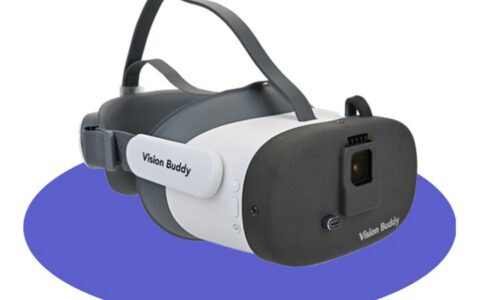
Adding {{itemName}} to cart
Added {{itemName}} to cart