

Summary
If you are researching vision aids for an aging parent, you are probably juggling a few things at once. What will actually help, what is a reasonable amount to spend, and how to even bring the subject up without it feeling like you are taking something away from them. This guide walks through all three, starting with how to recognize the signs, moving through the different categories of devices available today, and ending with some honest, practical advice on having that conversation with care.
Recognizing When It Might Be Time to Look Into This
Sometimes it is obvious. Other times, vision loss creeps in so gradually that a parent themselves might not even fully realize how much has changed. Here are a few signs that tend to show up early, worth paying attention to if you have noticed them recently:
- Squinting or tilting their head in an effort to focus on things that used to be easy to see.
- Bumping into furniture more often, or missing objects when reaching for them.
- Giving up reading, writing, or watching television the way they used to, sometimes without really mentioning it.
- Sitting noticeably closer to the television than they ever have before.
- Seeming hesitant or unsteady walking through spaces they know well.
None of these signs alone points to a specific diagnosis, and it is easy to write off any one of them individually. But when a few of these start showing up together, it is genuinely worth having a conversation, and worth scheduling a visit to an eye care professional if it has been a while since the last one.
The Main Categories of Vision Aids for Seniors
Handheld magnifiers. This is probably the most familiar option, and for good reason. They are inexpensive, require no learning curve at all, and are easy to find just about anywhere. The tradeoff is that they are limited mostly to reading tasks with handheld magnifiers, and they require holding something steady with one hand, which is not always realistic for someone dealing with arthritis or a hand tremor on top of vision changes.
Stand magnifiers. These work similarly to handheld versions but are free standing rather than held. They can be a genuinely good option for anyone who finds it difficult to hold a magnifier steady for any length of time.
Electronic magnifiers, sometimes called CCTV magnifiers. These use a camera to capture text or images and display them enlarged on a screen. Electronic magnifiers offer noticeably stronger magnification than purely optical tools, but they are stationary, meaning they usually stay at a desk rather than moving through the day.
Text to speech tools. These convert written text into spoken audio, which is genuinely useful for things like emails, documents, and books. The honest limitation here is that they do not restore the ability to actually see something. They are a helpful addition, but not a replacement for visual independence.
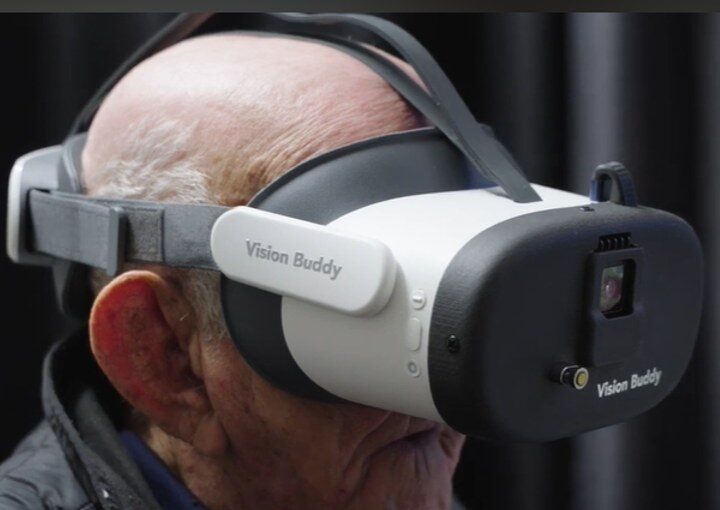
AI powered wearable devices. This is a newer category (our companion piece, “What Are AI Adaptive Glasses?”, goes deeper into exactly what this means) that combines magnification, reading assistance, television streaming, and computer access into a single device worn like a regular pair of glasses.
Matching the Right Aid to the Actual Problem
Rather than starting with a specific product in mind, it genuinely helps to start with what is actually difficult on a day to day basis. A few common patterns tend to show up:
- If the main struggle is mostly reading mail and labels, a magnifier, whether handheld, stand, or electronic, might honestly be enough on its own.
- If the bigger struggle involves television and recognizing people, on top of reading, a wearable AI device is built specifically to handle all of those things at once, rather than asking someone to switch between separate tools throughout the day.
- If digital tasks like email or browsing the internet come up often, text to speech tools or screen readers are worth adding regardless of whatever else gets chosen, since they solve a slightly different problem.
What a Low Vision Specialist Actually Adds
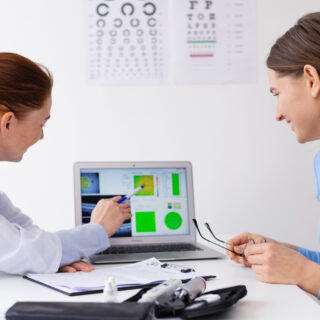
Low vision specialists and optometrists who are familiar with this category of device can genuinely assess a specific diagnosis and recommend which type of aid is most likely to help. Some even offer trial programs or in person demonstrations directly through their practice.
This is a worthwhile step to take even before comparing specific products, since remaining vision can vary quite a bit even between two people who share the exact same diagnosis. What works well for one person is not guaranteed to work the same way for another, and a specialist can help narrow that down before any money changes hands.
What to Budget For
Costs vary quite a bit depending on the category of device involved, so here is a general sense of what to expect:
- Handheld and stand magnifiers typically cost under $100.
- Electronic or CCTV magnifiers typically run several hundred dollars.
- AI powered wearable devices typically cost somewhere between $2,995 and $3,995..
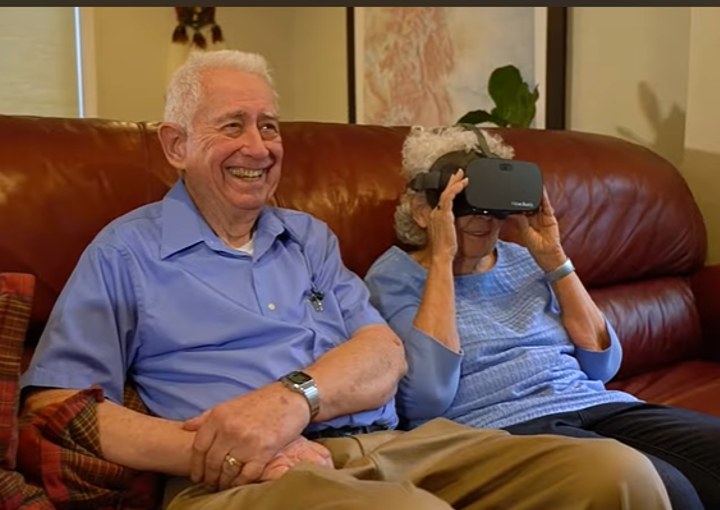
Vision Buddy customer Paul Gasner, who lives with macular degeneration, described the everyday difference in his own words: “It has just been great for me to watch TV without sitting so close to the TV.” Sometimes it really is that specific, ordinary moment that matters most.
Bringing It Up Without It Feeling Like a Loss of Independence
This part is often harder than actually comparing products, and it deserves real attention rather than being treated as an afterthought.
- Lead with the specific moment that matters to them, something like “I would love for you to watch the game with us again,” rather than leading with the diagnosis itself.
- Mention early on that a trial period exists, so trying something out does not feel the same as committing to it permanently.
- Involve them directly in the research process where possible, rather than showing up with a decision that has already been made on their behalf.
- Expect that it might take more than one conversation before they come around. That is completely normal, and it does not mean the conversation went badly.
Frequently Asked Questions
What is the actual difference between low vision and blindness?
Low vision refers to significant, uncorrectable vision impairment where some functional sight still remains. Blindness, or legal blindness specifically, is a more severe classification. Most vision aids in this category, including AI powered devices, are designed around low vision, meaning there is still some functional sight to work with and build on.
Will Medicare or private insurance cover these kinds of devices?
Coverage varies quite a bit and should never simply be assumed either way. It is worth asking any manufacturer directly, and also checking with your parent’s specific insurance plan, rather than guessing based on what you have heard elsewhere.
How do I know which device is genuinely right without trying several of them first?
Look specifically for companies that offer a real trial period with a clearly published refund policy. This lets you judge the actual fit for real, rather than relying entirely on product descriptions or marketing copy to make the decision for you.
What happens if my parent’s vision changes further down the road?
Ask directly whether a specific device’s settings can be adjusted as needs change over time, rather than assuming that whatever setup works today has to work exactly the same way forever.
Go Deeper
Ready to go a bit further into this? Download our free Caregiver’s Guide to Choosing a Low Vision Device for a full comparison of device categories, a complete list of questions worth asking any seller, and a clear breakdown of what a genuinely fair trial period should include.